 larry
larryEvery time you bite into fresh produce or walk across a manicured lawn, there’s an invisible story unfolding beneath the surface. Pesticides, the chemicals designed to protect our crops and gardens from pests, have become deeply woven into modern agriculture and landscaping. But their reach extends far beyond the fields where they’re applied.
These substances travel through ecosystems in ways most of us never consider. Rain washes them into streams and rivers. They seep through soil layers into groundwater. Beneficial insects carry residues to neighboring habitats. What begins as a targeted application becomes a complex environmental journey affecting water quality, soil health, and wildlife populations across entire regions.
The numbers tell a sobering story. Agricultural pesticide use continues to rise globally, with millions of pounds applied annually across farmlands and residential areas. Yet understanding how pesticides affect the environment isn’t about triggering alarm. It’s about empowering yourself with knowledge to make choices that protect both your family and the planet.
This connection between pesticide use and environmental health touches everything from the bees pollinating your garden to the water flowing from your tap. The mechanisms are surprisingly straightforward once you understand them, and the solutions are more accessible than you might think.
Whether you’re choosing produce at the grocery store, maintaining your own garden, or simply curious about what happens after pesticides are sprayed, the environmental impacts deserve your attention. The good news? Awareness is the first step toward positive change.
The Pesticide Pathway: From Fields to Our Lives
When you spray pesticides on a field, they don’t simply disappear after doing their job. Instead, they begin a complex journey through interconnected environmental systems, often traveling far beyond their intended targets.
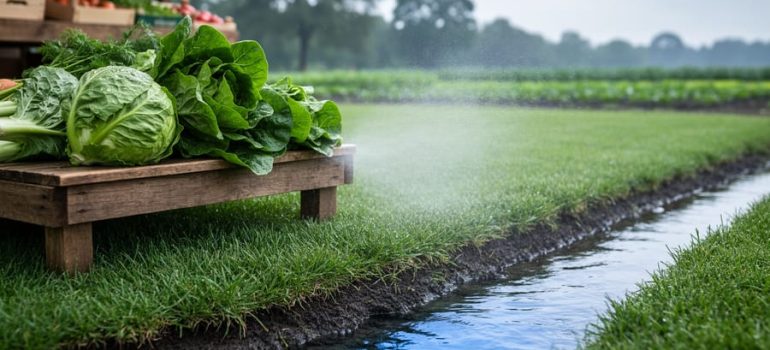
Think of pesticides as unwanted travelers moving through nature’s highways. Rain washes them from treated crops into nearby streams and rivers. They seep downward through soil layers, sometimes reaching groundwater that eventually supplies our taps. Wind carries fine pesticide particles across property lines, neighborhoods, and even entire regions. These chemicals don’t respect boundaries we’ve drawn on maps.
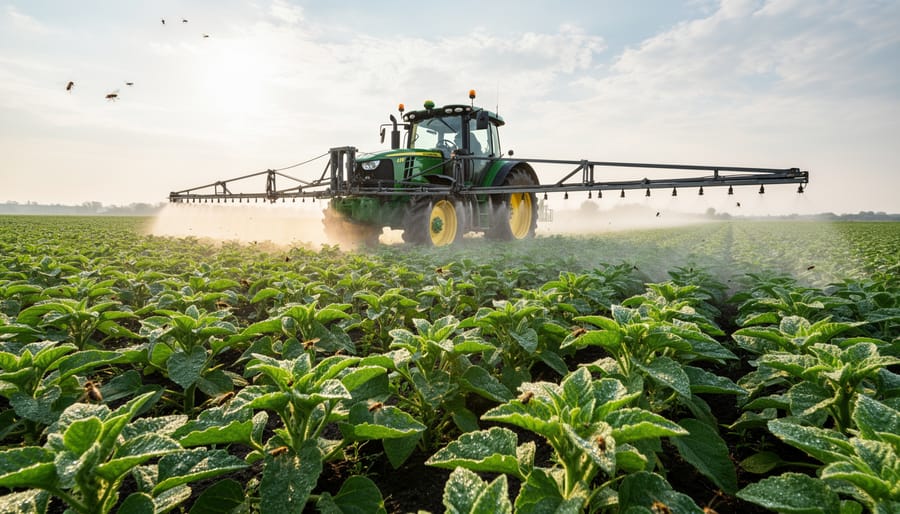
The movement happens through several key pathways. Surface runoff during storms transports pesticides directly into waterways, where they can contaminate drinking water sources and harm aquatic life. Leaching pulls them deeper into soil profiles, disrupting the hidden world of beneficial microorganisms that keep soil healthy and productive. Spray drift allows chemicals to settle on non-target plants, gardens, and wild spaces where pollinators forage.
Once pesticides enter these environmental compartments, they create cascading effects. A single application might contaminate multiple ecosystems simultaneously. Residues accumulate in sediments at the bottom of lakes and ponds. They concentrate in plant tissues that wildlife consume. Small creatures absorb these chemicals, which then pass to larger predators in increasing concentrations up the food chain.
This interconnected contamination pattern explains why pesticide residues show up in surprising places: pristine wilderness areas, organic farms practicing chemical-free agriculture, and even Arctic ice. The pathway from fields to our lives isn’t direct or obvious, but it’s real. Understanding this movement helps us grasp why choices about pesticide use matter far beyond the original application site, touching ecosystems and communities in ways we’re only beginning to fully measure.
The Startling Numbers Behind Pesticide Use in 2026
The numbers paint a stark picture: Canada’s pesticide use has surged to over 130 million kilograms annually, a fivefold increase since 2005 when just 26 million kilograms were sold. This dramatic escalation represents far more than a statistic on a spreadsheet. It translates to tangible environmental consequences playing out in waterways, soil ecosystems, and wildlife habitats across the country.
The trend hasn’t slowed. Between 2011 and 2021 alone, Canada saw a 47% increase from 2011 to 2021 in pesticide sales, a pace that outstrips population growth and agricultural land expansion. For environmentally-conscious consumers, these figures underscore an unsettling reality: the products we purchase, from conventionally-grown produce to processed foods, increasingly carry the environmental burden of this chemical dependency.
What makes this trajectory particularly concerning is the ripple effect through ecosystems. When 130 million kilograms of active pesticide ingredients enter the environment each year, they don’t simply vanish after serving their intended purpose. They migrate through soil, leach into groundwater, run off into streams, and accumulate in the bodies of wildlife and, ultimately, in our own.
Understanding these numbers isn’t about doom-scrolling through environmental statistics. It’s about recognizing the scale of the challenge and the urgency behind sustainable alternatives. Each kilogram represents a choice point where different agricultural practices, consumer decisions, and policy directions could redirect us toward a healthier environmental future.
How Pesticides Impact Water, Soil, and Wildlife
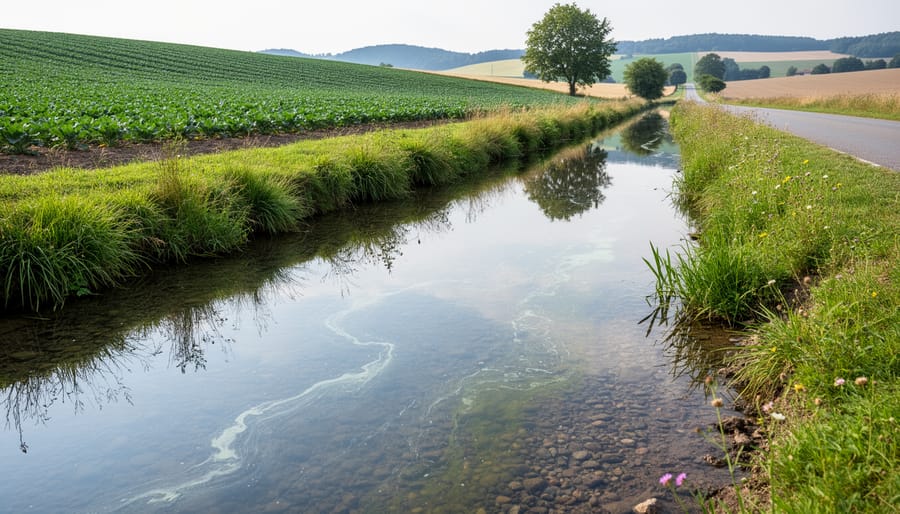
Water Contamination: From Streams to Your Tap
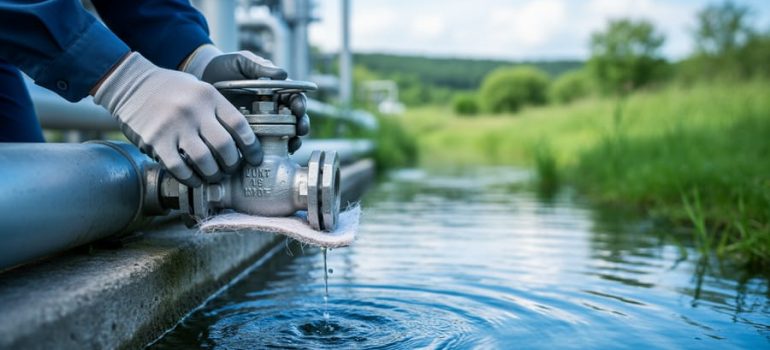
When you turn on your tap, you probably don’t think about the chemical journey that water has taken. Yet pesticides routinely find their way into the water you drink, cook with, and bathe in. These chemicals travel from farm fields through two main pathways: surface runoff during rainfall carries them into nearby streams and rivers, while leaching allows them to seep down through soil layers into groundwater reserves that supply wells and municipal systems.
Once in waterways, pesticides don’t simply disappear. They can persist for months or even years, contaminating both natural ecosystems and the infrastructure we depend on for clean water. Agriculture Canada’s monitoring data confirms that pesticides affect drinking water quality across the country, creating a direct link between agricultural practices and what flows from your faucet.
This contamination mirrors concerns about toxic substances in cosmetics where chemicals we assume are regulated still find their way into daily-use products. The parallel is clear: environmental contamination translates to human exposure, whether through the water glass on your table or the moisturizer on your bathroom counter. Communities near intensive agricultural areas face higher exposure risks, but urban water supplies aren’t immune either.
Soil Health and the Hidden Ecosystem Below
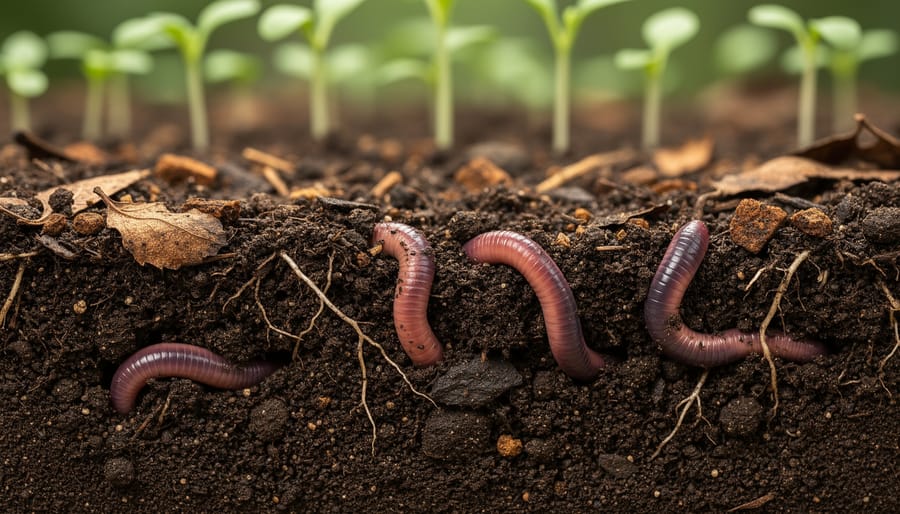
Beneath every farm field lies an intricate world that makes food production possible. Soil hosts billions of microorganisms, fungi, earthworms, and beneficial bacteria that work together to cycle nutrients, break down organic matter, and maintain the fertility plants depend on. When pesticides enter this hidden ecosystem, they disrupt these essential processes.
Many pesticides can’t distinguish between harmful pests and the beneficial organisms that keep soil healthy. They may reduce populations of earthworms that aerate the ground, harm mycorrhizal fungi that help plants absorb nutrients, and damage bacterial communities that fix nitrogen from the air. This disruption weakens the soil’s natural resilience over time.
The effects compound with repeated applications. Soil that loses its microbial diversity struggles to retain moisture, becomes more vulnerable to erosion, and requires increasing amounts of synthetic fertilizers to maintain crop yields. Think of it as depleting your savings account faster than you can replenish it.
Healthy soil is the foundation of sustainable agriculture. Without thriving underground communities, we compromise the very systems that will feed future generations while making our food production more dependent on chemical inputs rather than nature’s own regenerative capacity.
Wildlife at Risk: The Broader Ecological Impact
Wildlife faces mounting threats as pesticides spread beyond treated areas. Pollinators like bees and butterflies suffer direct exposure during foraging, while many bird species experience reproductive problems from eating contaminated insects and seeds. Aquatic creatures absorb chemicals through their skin and gills, making fish and amphibians particularly vulnerable to even low concentrations in waterways.
The danger intensifies through bioaccumulation, where pesticides build up in an animal’s tissues over time. As larger predators eat contaminated prey, these chemicals concentrate further through biomagnification, meaning animals higher up the food chain carry the heaviest toxic loads. A hawk eating pesticide-exposed mice, for instance, accumulates far more chemicals than the mice themselves carried. This creates cascading effects throughout entire ecosystems, threatening species survival and disrupting the delicate balance that keeps natural systems functioning.
The Human Connection: Why Environmental Impact Matters to You
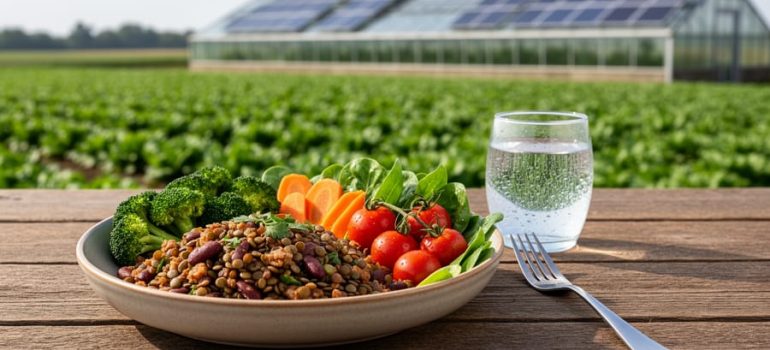
When pesticides leach into water, drift through air, and accumulate in soil, they don’t just harm distant ecosystems. They complete a circle that leads directly back to your dinner plate, your water glass, and even the beauty products on your bathroom shelf.
The pathway is straightforward yet sobering. Contaminated water becomes the tap water you drink and cook with. Pesticide residues that settle into soil are absorbed by crops, concentrating in the fruits, vegetables, and grains you buy at the grocery store. When you buy seasonal and local produce, you’re making a choice that reduces this exposure while supporting farming practices closer to home.
Your skincare routine isn’t exempt either. Many conventional cosmetics contain ingredients grown with heavy pesticide use, or worse, incorporate synthetic pesticides as preservatives. The beauty industry’s agricultural supply chains mirror the same contamination patterns affecting food production. Learning to choose the right brands means looking beyond cruelty-free labels to consider the full environmental footprint of ingredients.
This connection between environmental contamination and personal exposure explains why Canada’s fivefold increase in pesticide use over two decades matters to your daily life. Higher environmental pesticide levels translate directly to higher human exposure through multiple pathways simultaneously.
The encouraging news? Your purchasing decisions create real change. Supporting companies that prioritize clean ingredients and sustainable packaging sends market signals that reshape agricultural and manufacturing practices. When you choose organic foods, chemical-free cosmetics, and brands committed to environmental stewardship, you’re not just protecting your health. You’re funding the transition toward safer alternatives that benefit soil health, water quality, and wildlife while reducing the pesticide burden returning to all of us through environmental pathways.
Progress and Hope: The Path Toward Safer Alternatives
Despite the alarming rise in pesticide use, a wave of meaningful change is building momentum across Canada and beyond. As a signatory of the Kunming-Montreal Global Biodiversity Framework, Canada has committed to reducing pesticide risk by at least 50% by 2030. This ambitious target signals a policy shift that conscious consumers have been advocating for, and it’s creating space for innovative alternatives to flourish.
The movement toward safer practices spans multiple sectors, offering practical pathways forward:
- Organic farming eliminates synthetic pesticides entirely, working with natural cycles to build resilient crops
- Integrated pest management combines biological controls, crop rotation, and targeted interventions only when necessary
- Regenerative agriculture focuses on soil health and biodiversity to naturally suppress pests and diseases
- Pesticide-free beauty brands source botanical ingredients from clean cultivation practices, protecting both ecosystems and skin health
This shift isn’t just theoretical. Organic agriculture continues to expand in Canada, with farmers demonstrating that productive yields and environmental stewardship can coexist. In the beauty and cosmetics sector, brands are increasingly transparent about their supply chains, choosing ingredients grown without chemical inputs and formulating products that don’t compromise waterways or wildlife when they wash down the drain.
What’s encouraging is how these alternatives address the full lifecycle. A pesticide-free approach protects farmworkers, preserves pollinator populations, maintains water quality, and delivers cleaner products to your home. Supporting companies that embrace these practices through your purchasing decisions creates market pressure for broader adoption. Every choice to buy organic produce, select clean beauty products, or support regenerative brands reinforces the viability of safer systems and accelerates the transition away from harmful pesticides.
Understanding how pesticides affect the environment isn’t just about identifying problems, it’s about recognizing your power to drive change. Every time you choose organic produce, support brands committed to sustainable practices, or opt for pesticide-free beauty products, you’re voting for a healthier planet. Your purchasing decisions matter. They send clear signals to manufacturers and retailers that consumers value environmental responsibility over shortcuts that harm ecosystems.
The path forward requires both individual action and collective momentum. Start small: read labels, ask questions about sourcing, and share what you learn with friends and family. Support the eco-friendly companies making genuine commitments to reducing pesticide reliance. Advocate for stronger regulations and transparency in your community. While Canada’s pledge to cut pesticide risk by 50 percent by 2030 shows promise, real progress depends on sustained consumer demand for change.
You’re not powerless in this story. Each conscious choice ripples outward, proving that sustainable living isn’t a sacrifice, it’s an investment in the world we all share.