 larry
larryAlbedo is the measure of how much sunlight a surface reflects rather than absorbs, expressed as a ratio between 0 and 1. Fresh snow, for instance, has an albedo up to 0.9, bouncing back 90% of the sunlight that strikes it, while the open ocean sits below 0.1, soaking up more than 90% of incoming rays. This seemingly simple number carries enormous weight in our climate system because surfaces with high albedo keep our planet cooler by sending solar energy back to space, while darker, low-albedo surfaces trap heat and accelerate warming.
Understanding albedo helps explain why melting ice caps create a feedback loop that speeds up climate change, and why the color of your roof or the pavement in your city affects local temperatures. NASA’s Earth-observing satellites track albedo across the globe, giving scientists crucial data on how our planet’s reflective surfaces are shifting as ecosystems change and ice retreats. For anyone passionate about sustainability, albedo connects everyday choices like urban planning, landscape design, and even paint color to meaningful environmental impact.
This guide breaks down the science behind albedo, explores which surfaces reflect or absorb the most energy, and reveals how this fundamental concept shapes both global climate patterns and the practical decisions we make in our homes and communities.
What Albedo Means: The Basics of Light and Reflection
Albedo is the fraction of sunlight that bounces off a surface rather than being absorbed. Think of it as nature’s brightness meter: when sunlight strikes snow, ocean, asphalt, or skin, some energy reflects back into space while the rest soaks in and converts to heat. This ratio of reflected light to incoming light gives us the albedo value.
Scientists measure albedo on a scale from 0 to 1, which translates neatly into percentages. A surface with an albedo of 0.9 reflects 90% of sunlight and absorbs only 10%, staying relatively cool. Conversely, an albedo of 0.1 means the surface reflects just 10% and absorbs 90%, heating up considerably. If all light reflected, the albedo would equal 1. If all light were absorbed, it would be 0. Most surfaces on Earth fall somewhere in between.
- Albedo
- The ratio of sunlight reflected by a surface to the total amount of sunlight striking it, expressed as a value between 0 and 1 or as a percentage.
- Reflectance ratio
- The proportion of incoming solar energy that bounces back into space rather than being absorbed, determining how much a surface heats up.
- Incident radiation
- The total amount of sunlight arriving at and striking a surface before any reflection or absorption occurs.
- Absorption
- The process by which a surface takes in solar energy and converts it to heat, rather than reflecting it back into space.
This simple measure carries enormous weight for Earth’s energy balance. Surfaces with high albedo stay cooler and help regulate global temperatures by sending solar energy back into space. Low-albedo surfaces trap heat, warming themselves and the surrounding air. That difference between reflection and absorption shapes everything from local weather patterns to the pace of climate change, making albedo a fundamental concept for understanding how our planet heats and cools.
How Albedo Works: From Sunlight to Surface
Every second, sunlight streams toward Earth, carrying energy that will either bounce back into space or warm whatever it touches. The moment those rays meet a surface, whether snow, water, or asphalt, that surface makes a split-second decision about what to do with all that incoming energy.
Think of it this way: when sunlight hits a patch of fresh snow, most of those rays simply ricochet off and head back toward space. The snow reflects up to 90% of the incoming sunlight, barely warming itself in the process. The surface stays cold, the air above it stays cold, and only a small fraction of that solar energy converts to heat. That high reflection is high albedo at work.
Now picture the same sunlight striking the open ocean. The dark water acts like a sponge, absorbing more than 90% of those rays and reflecting less than 10% back. All that absorbed energy transforms into heat, warming the water and the atmosphere above it. That absorption is low albedo in action, and it is why tropical seas feel warm while polar ice stays frozen.
The difference comes down to surface properties. Light-colored materials scatter and reflect incoming radiation efficiently. Dark materials trap it. Smooth surfaces bounce light in predictable directions, while rough textures scatter it in all directions but still lose most of it to absorption if the material itself is dark.
This simple exchange between light and matter determines how much solar energy stays on Earth versus how much escapes back to space. And that balance shapes our planet’s temperature, our climate patterns, and ultimately the conditions that sustain life as we know it.
Types of Albedo: High, Low, and Everything In Between
High-Albedo Surfaces
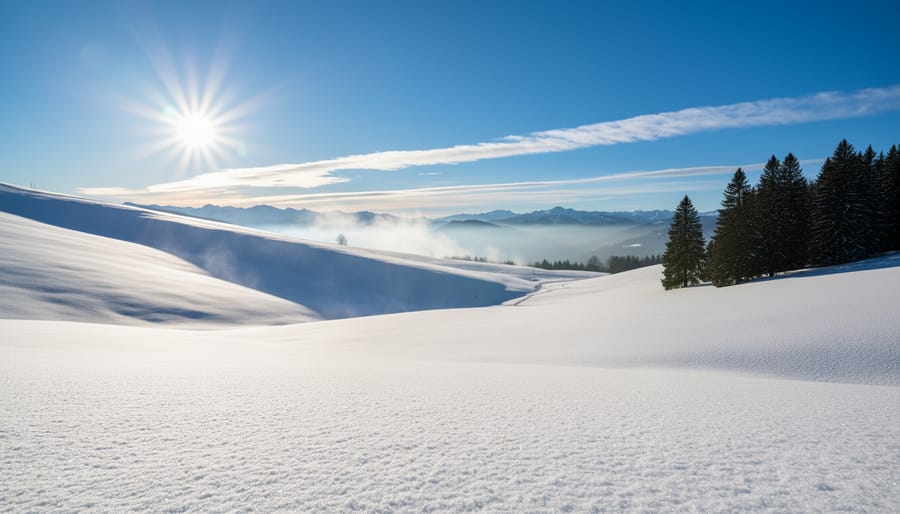
Fresh snow ranks among Earth’s most powerful natural reflectors, with fresh snow albedo up to 0.9 bouncing nine out of every ten photons of sunlight straight back into space. Ice sheets across Greenland and Antarctica behave similarly, their crystalline surfaces acting as planetary mirrors that deflect solar energy before it can warm the ground. Clouds add another reflective layer above, scattering incoming radiation before it ever reaches the surface.
These high-albedo zones function as Earth’s natural cooling system. Snow-covered mountains stay frozen longer not just because they’re cold, but because they refuse most of the sun’s heat. Arctic sea ice, bright white in summer, keeps polar waters from absorbing the same energy that would warm them by dozens of degrees if exposed.
When we lose these reflective surfaces, ice sheets melting into dark ocean, snowpack vanishing earlier each spring, we lose their cooling effect. The darker surfaces underneath absorb heat that was previously rejected, triggering a self-reinforcing spiral: warming melts more ice, exposing more heat-absorbing ocean, which accelerates further melting. This feedback loop explains why polar regions warm faster than the global average and why protecting high-albedo surfaces matters far beyond the poles themselves.
Low-Albedo Surfaces

At the opposite end of the spectrum, low-albedo surfaces act like solar sponges, absorbing most of the sunlight that reaches them and reflecting very little back into space. The open ocean exemplifies this behavior with an albedo below 0.1, meaning it absorbs more than 90% of incoming sunlight and converts that energy directly into heat. This massive heat absorption warms the water and influences ocean currents, weather systems, and atmospheric moisture levels across the planet.
Dark forests present another significant low-albedo surface. Dense canopies of evergreen trees, with their deep green and black tones, trap sunlight efficiently. While forests provide crucial carbon storage and biodiversity benefits, their dark surfaces absorb more energy than lighter landscapes, contributing localized warming effects particularly in boreal regions.
Urban environments compound the problem. Asphalt roads and dark rooftops covering cities create heat islands where temperatures climb several degrees higher than surrounding areas. These surfaces absorb daytime solar radiation, then release stored heat overnight, preventing cities from cooling down. The cumulative effect across millions of square miles of pavement and development contributes measurably to regional and global temperature increases, creating a self-reinforcing cycle where warming reduces ice cover and exposes more low-albedo ocean and land surfaces.
Mid-Range Surfaces
Between the extremes of gleaming ice and dark ocean lie the surfaces most of us encounter daily. Deserts typically reflect 25-40% of incoming sunlight, their sandy expanses bouncing back enough energy to keep daytime temperatures lower than asphalt parking lots yet still absorbing considerable heat. Grasslands sit in a similar range, though their albedo shifts with the seasons, lush green meadows in spring reflect less light than the golden, dried grasses of late summer. Agricultural fields tell a similar story, their reflectivity changing as crops grow, mature, and are harvested.
Urban areas present a patchwork: concrete sidewalks reflect more light than dark rooftops, while tree-lined streets create microclimates of shade and varied reflectance. Human activity constantly reshapes these middle-ground surfaces. Converting forest to farmland, building new suburbs, or allowing grassland to return to woodland all alter local albedo. These shifts may seem small compared to melting ice sheets, but across millions of acres, they add up, changing regional temperatures, precipitation patterns, and the amount of solar energy our neighborhoods trap or reflect back to space.
Why Albedo Matters for Earth’s Climate
Albedo acts as Earth’s thermostat, governing how much solar energy our planet absorbs versus reflects back into space. When surfaces with high albedo, like ice sheets and snow cover, remain intact, they bounce sunlight away and help maintain cooler temperatures. But when those reflective surfaces shrink or disappear, darker land and ocean underneath absorb far more heat, triggering a cascade that accelerates warming.
This dynamic creates what scientists call the ice-albedo feedback loop, one of climate science’s most concerning mechanisms. As Arctic ice melts, it exposes dark ocean water with an albedo below 0.1, absorbing more than 90% of incoming sunlight. That absorbed energy warms the water, which melts more ice, which exposes more dark surface, which absorbs still more heat. The cycle feeds itself, amplifying the original warming far beyond what greenhouse gases alone would produce.
The same principle plays out across other climate systems. Shrinking glaciers reveal darker rock. Declining snow cover in spring exposes bare soil earlier each year. Even changes in cloud cover alter Earth’s overall albedo, since clouds reflect substantial sunlight back to space. Each shift in surface reflectivity doesn’t just respond to temperature changes; it actively drives them, creating momentum that makes climate change harder to slow or reverse. Understanding albedo helps explain why polar regions warm faster than the global average and why protecting high-albedo surfaces matters as much as reducing emissions.
How Albedo Is Measured and Tracked
NASA’s fleet of Earth-observing satellites circles the planet continuously, carrying specialized instruments that measure how much sunlight different surfaces reflect back into space. These satellites, including Terra, Aqua, and the newer JPSS series, scan vast stretches of the planet each day, recording albedo values across oceans, forests, ice sheets, deserts, and cities. The instruments detect both visible and infrared radiation, allowing scientists to distinguish between surface types and track subtle changes in reflectivity over time.
The data streams back to research centers where scientists compile global albedo maps, revealing patterns you might not expect. They watch Arctic sea ice shrink and darken as melt ponds form, exposing more heat-absorbing ocean beneath. They monitor how deforestation in the Amazon replaces bright grassland with darker cropland, shifting regional energy balance. Urban sprawl shows up as expanding dark patches where asphalt and rooftops replace lighter soils. Even seasonal shifts appear clearly, snow cover advancing and retreating, vegetation greening in spring and browning in autumn, cloud systems moving across continents.
This continuous monitoring isn’t just academic. Scientists use albedo trends to refine climate models, predict how fast ice will melt, understand regional warming patterns, and assess the real-world impact of land-use changes. When you see projections about sea level rise or regional temperature shifts, satellite albedo measurements are part of the foundation. The technology turns reflection into actionable knowledge about how our planet’s energy balance is changing.
Albedo in Action: Sustainable Living and Everyday Choices
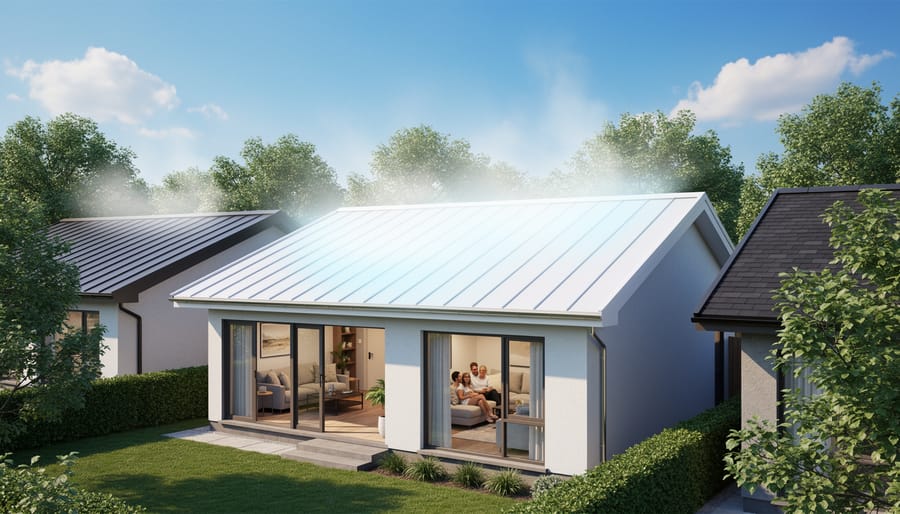
Understanding albedo transforms how you make daily choices, from what you wear to how you design your living space. The same principles that govern Earth’s energy balance apply to the surfaces around you, and small shifts in reflectivity add up to meaningful impact.
Start with your home. Cool roofs coated with reflective materials bounce sunlight back into space instead of absorbing it as heat, cutting air conditioning costs by up to 20% while reducing the urban heat island effect. Light-colored shingles, metal roofing, and specialized reflective coatings all raise your roof’s albedo, keeping your home cooler and your carbon footprint lighter. The same logic extends to building exteriors: pale stucco, white brick, and reflective paints lower surface temperatures and reduce the energy needed to cool interior spaces.
Your wardrobe choices matter, too. Light-colored clothing in summer months reflects more sunlight than dark fabrics, keeping you cooler without cranking the AC, a simple albedo hack that’s been used in hot climates for centuries. When you choose natural fibers in whites, creams, and pastels from sustainable brands, you’re working with albedo principles while supporting ethical fashion.
In beauty and personal care, reflective packaging choices extend the concept further. Brands committed to sustainability increasingly use lighter-colored, recyclable containers that require less energy to keep products cool during shipping and storage. Even small decisions, like choosing mineral sunscreens in light packaging over dark plastic bottles, align your routine with planetary health.
Consider these practical albedo-informed actions:
- Install reflective or cool roofing materials to lower home cooling costs and urban temperatures
- Wear light-colored natural fabrics in summer to stay cooler while reducing air conditioning use
- Support brands that design products with reflective, sustainable materials and minimal dark packaging
- Advocate for urban greening projects that balance vegetation’s lower albedo with evaporative cooling benefits
Cities are catching on, too. Urban planners now factor albedo into street design, choosing lighter pavement and increasing green spaces to offset heat absorption. When you support local initiatives for reflective infrastructure and tree planting, you’re backing science-based solutions that make neighborhoods more livable while addressing climate change at the community level.
Common Questions About Albedo
Why is albedo important for Earth’s climate?
Albedo determines how much solar energy Earth reflects versus absorbs, directly influencing global temperatures. When high-albedo surfaces like ice sheets melt, they expose darker ocean or land that absorbs more sunlight, creating a feedback loop that accelerates warming.
How do satellites track albedo?
NASA’s Earth-observing satellites carry instruments that measure albedo and surface reflectance worldwide, monitoring changes in ice cover, vegetation, clouds, and urban development. This data helps scientists understand how different regions reflect or absorb sunlight and track climate trends over time.
What do albedo maps show?
Albedo maps display the reflectivity of Earth’s surfaces, revealing patterns like bright polar ice sheets, dark ocean waters, and seasonal variations in forests and farmland. These maps help scientists identify regions where changing reflectivity might signal environmental shifts.
How does albedo relate to sustainable living?
Understanding albedo informs choices in sustainable home design from cool roofs that reflect summer heat to light-colored materials for eco-friendly homes. The concept extends to selecting eco decoration brands and beauty products with sustainable packaging in lighter tones that minimize heat absorption.
These questions capture what readers commonly wonder after learning about albedo’s scientific basis. The concept bridges planetary science and personal action, showing how reflection principles scale from ice caps to rooftops. When you choose reflective materials for your living space or wardrobe, you’re applying the same physics that keeps snow-covered regions cooler than dark forests. This connection empowers environmentally-conscious consumers to make informed choices that align with Earth’s energy balance, turning abstract climate science into tangible lifestyle decisions.
How Albedo Is Used
Albedo isn’t just an abstract scientific concept, it’s a tool that shapes decisions across climate science, urban planning, and environmental policy. Climate scientists track albedo changes to understand warming trends and predict future temperature shifts. When ice sheets melt and expose darker ocean water, satellite measurements of declining albedo help quantify how much additional heat Earth will absorb, feeding critical climate models that governments and organizations rely on for adaptation strategies.
Urban planners use albedo principles to cool cities and reduce energy consumption. Cool roofing programs encourage white or reflective roof coatings that bounce sunlight back into space rather than heating buildings. Los Angeles has painted miles of streets with light-colored coatings to lower neighborhood temperatures by several degrees. These interventions cut air conditioning costs and improve air quality during heat waves.
Farmers and land managers monitor albedo to assess soil moisture and vegetation health. Changes in surface reflectance signal drought stress or successful reforestation. Even transportation engineers consider albedo when designing safer roads, since surface color affects pavement temperature and durability. Every application returns to the same core insight: what we reflect and what we absorb determines how much heat we trap.
Understanding albedo transforms the way we see the world around us. What begins as a simple ratio of reflected light becomes a lens for recognizing how every surface, from the roof over your head to the clothes you wear, participates in Earth’s energy balance. The ice sheets and forests, the oceans and cities all play their part in either cooling or warming our shared home.
This knowledge isn’t meant to overwhelm. It’s meant to empower. When you choose a light-colored roof that reflects summer heat, support brands using sustainable materials, or advocate for green spaces in your community, you’re working with the same principles that govern planetary temperatures. Small, thoughtful decisions ripple outward.
The beauty of albedo lies in its accessibility. You don’t need a degree in atmospheric science to grasp that reflection and absorption matter, or to make choices that honor that understanding. As we face climate challenges, concepts like albedo remind us that science and daily life aren’t separate spheres. They’re deeply connected, and each of us has a role to play in moving toward a more sustainable future.