 larry
larryImagine cutting your energy bills to zero while living in complete comfort. That’s the promise of a zero energy home, and in 2026, it’s more achievable than you might think.
A zero energy home produces as much renewable energy as it consumes over the course of a year. These homes combine exceptional insulation, airtight construction, high-efficiency appliances, and on-site renewable energy systems (typically solar panels) to reach net-zero energy consumption. The result? You’re no longer at the mercy of rising utility costs, and your carbon footprint shrinks dramatically.
The concept isn’t new, but recent advances in solar technology, battery storage, and building science have transformed zero energy homes from experimental projects into practical, beautiful living spaces. Builders across the country now offer zero energy models, and existing homes can often be retrofitted to meet these standards.
The numbers tell a compelling story. While a zero energy home typically costs 5-10% more upfront than conventional construction, owners recoup that investment through eliminated energy bills. Factor in federal tax credits, state incentives, and increasing home values, and the financial case becomes even stronger.
But this isn’t just about saving money. Zero energy homes offer superior indoor air quality, consistent temperatures in every room, and remarkable quiet from outside noise. They’re proof that sustainability doesn’t require sacrifice.
Whether you’re planning to build, renovate, or simply curious about what’s possible, understanding zero energy homes opens doors to a more resilient, comfortable, and responsible way of living.
What Makes a Home Truly ‘Zero Energy’?
A zero energy home produces as much energy as it consumes over the course of a year. That’s the simple version. The reality involves a careful dance between cutting energy waste and generating clean power on-site.
Think of it as a balanced equation. On one side, you have every watt your home uses for heating, cooling, lighting, appliances, and electronics. On the other, you have the energy your home generates, typically through solar panels. When these two sides match up over 12 months, you’ve achieved zero energy status. Some months you might pull from the grid, others you’ll feed excess power back. The annual balance is what counts.
- Net-Zero Energy
- A home that produces at least as much energy as it consumes annually, achieving a net balance of zero through on-site renewable generation.
- Zero Energy Ready
- A home designed and built with all the efficiency features needed for zero energy operation but without the renewable energy systems installed yet. Add solar later, and you’re there.
- Energy Balance
- The annual accounting of energy consumed versus energy produced, where zero energy homes aim for production to equal or exceed consumption over a full year.
- On-site Generation
- Renewable energy produced directly at the home, typically through rooftop solar panels, rather than purchased from external sources.
This differs fundamentally from an energy-efficient home. An efficient home simply uses less energy than average. It might have good insulation and LED bulbs, cutting consumption by 30% or even 50%. Impressive, but it still depends entirely on the grid. A zero energy home takes efficiency to its logical conclusion, then adds renewable generation to close the gap completely.
The distinction matters because efficiency alone has limits. You can only reduce energy use so far before hitting diminishing returns. Zero energy homes recognize this and address both sides of the equation. They’re built tight and right to minimize waste, then topped with enough solar capacity to cover what’s left. The result is energy independence that translates to stable, predictable costs and genuine environmental impact.
The Building Blocks: Core Technologies That Make It Happen
Solar Energy Systems and Smart Storage
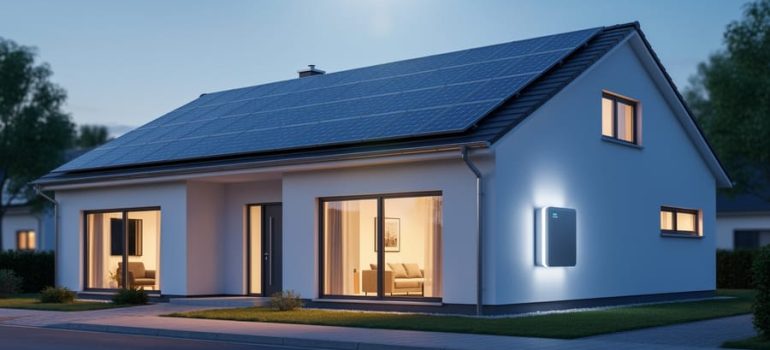
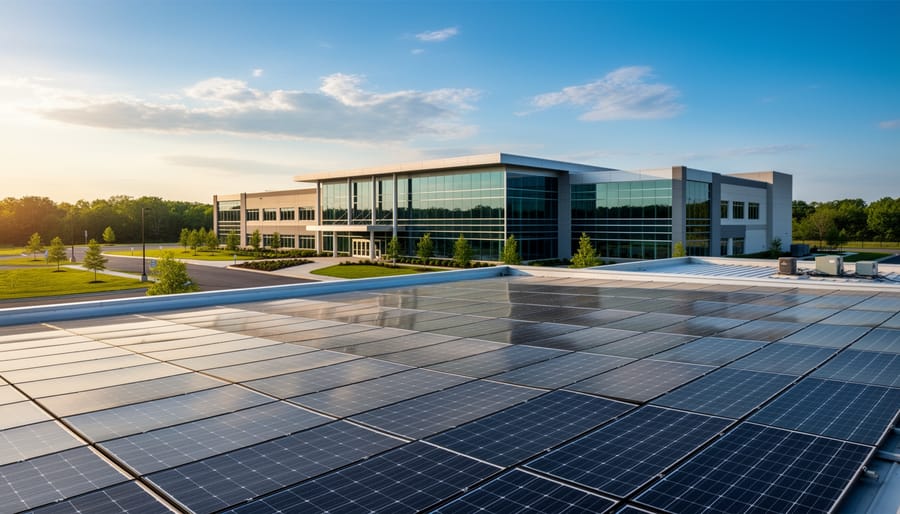
Solar panels in 2026 have reached impressive efficiency levels of 22-25% for residential installations, with premium monocrystalline options pushing even higher. This means you can generate more power from less roof space than ever before, making zero energy achievable even on smaller homes. Modern panels also perform better in low-light conditions and maintain efficiency longer, with warranties extending 25-30 years.
The real game-changer isn’t just the panels themselves but how they pair with battery storage systems. Companies like Tesla, Enphase, and LG offer home battery solutions that store excess daytime solar production for evening use, effectively disconnecting you from grid dependence. These lithium-ion systems have dropped significantly in price while improving capacity, with typical home installations ranging from 10-20 kWh of storage.
The beauty lies in the integration. Your solar array generates power during the day, immediately powering your home’s needs. Any excess charges your battery bank rather than feeding back to the grid. When the sun sets or clouds roll in, your batteries seamlessly take over, drawing from stored energy before touching grid power. Smart inverters manage this dance automatically, optimizing when to store, when to use, and when to draw from the grid during the rare times you need it. This orchestrated system transforms your home from an energy consumer into a self-sufficient energy ecosystem.
High-Performance Insulation and Air Sealing
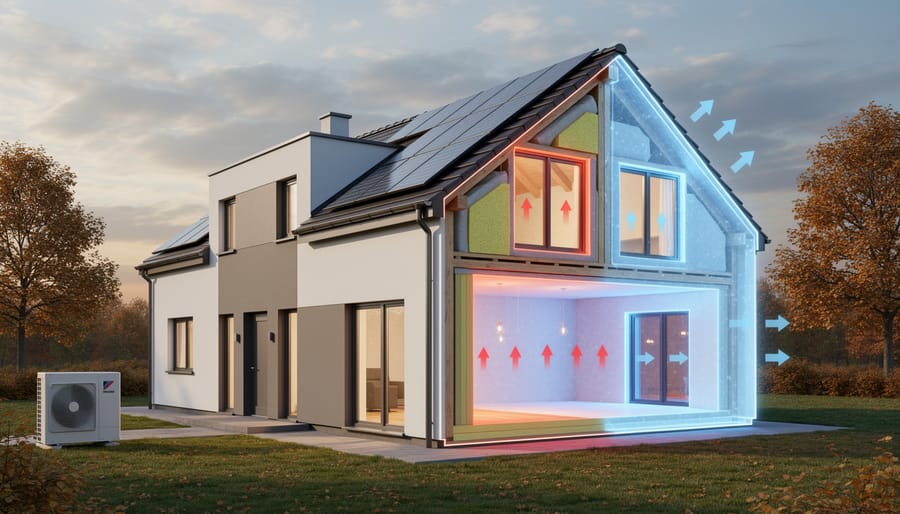
Think of your home’s building envelope as a high-performance thermos. The best solar panels and heat pumps can’t overcome a leaky shell that hemorrhages warmth in winter and invites heat in summer. This is where advanced insulation and air sealing become the quiet heroes of zero energy design.
Modern zero energy homes rely on insulation materials that outperform traditional fiberglass by significant margins. Closed-cell spray foam, dense-packed cellulose made from recycled paper, and mineral wool all achieve R-values that older homes can’t match. What’s changed recently is the availability of truly eco-friendly materials like hempcrete and sheep’s wool insulation, which sequester carbon while insulating your walls.
Air sealing matters just as much as insulation thickness. Even small gaps around electrical boxes, window frames, and pipe penetrations create convective loops that waste energy. Zero energy builders use blower door tests to measure air changes per hour, aiming for rates below 1.5 ACH at 50 pascals of pressure. That’s roughly five times tighter than conventional construction.
The payoff? Homes that need 60-80% less heating and cooling energy, making the jump to net zero production actually feasible with reasonably sized solar arrays.
Energy-Efficient Windows and Doors
Your windows and doors account for up to 30% of heating and cooling losses, making them critical to achieving zero energy performance. Modern triple-pane windows with low-E coatings and argon or krypton gas fills deliver window U-factor ratings as low as 0.15, compared to 0.30 or higher for standard double-pane units. The lower the number, the better the insulation.
Thermally broken frames prevent heat transfer through the window frame itself, a detail that often gets overlooked but matters tremendously in extreme climates. Premium brands now offer fiberglass and composite frames that outperform traditional materials while incorporating recycled content, representing genuine sustainable innovation in building materials.
Smart glazing takes performance further with electrochromic technology that tints automatically based on sun exposure, reducing cooling loads while maximizing natural light. These systems look stunning, feel luxurious, and eliminate the need for blinds or shades. Yes, they cost more upfront, but the energy savings and comfort gains make them worthwhile investments in a zero energy strategy.
Smart HVAC and Ventilation Systems
Modern heat pumps have revolutionized climate control in zero energy homes. Unlike furnaces that burn fuel, heat pumps improve efficiency by moving heat rather than creating it, delivering three to four units of heating or cooling for every unit of electricity consumed. Air-source models handle most climates, while ground-source (geothermal) systems tap into stable underground temperatures for even greater performance.
Heat recovery ventilators work alongside these systems, capturing warmth from stale outgoing air to preheat fresh incoming air in winter, the reverse happens in summer. This continuous exchange maintains excellent indoor air quality without the energy penalty of simply opening windows.
Smart thermostats learn your patterns and adjust settings automatically, coordinating with solar production peaks to run systems when energy is abundant. Many homeowners treat climate control like other lower-impact choices: small adjustments that compound into significant savings. Together, these systems create comfortable homes that use a fraction of traditional energy.
The Financial Reality: Investment, Savings, and Payback
Let’s talk numbers, because no amount of environmental enthusiasm changes the fact that you need to understand the financial picture before committing to a zero energy home.
The upfront premium for zero energy construction typically ranges from 8% to 15% above conventional building costs in 2026. For a standard 2,000-square-foot home, that translates to roughly $40,000 to $75,000 additional investment. Retrofitting an existing home usually falls on the higher end of this spectrum, sometimes beyond it, depending on how far your current home sits from zero energy ready standards.
| Feature Category | Typical Cost Premium | Annual Savings Range | Estimated Payback |
|---|---|---|---|
| Solar + Battery System | $25,000-$40,000 | $1,800-$3,200 | 10-15 years |
| Enhanced Envelope (insulation, windows, air sealing) | $15,000-$25,000 | $900-$1,500 | 12-18 years |
| High-Efficiency HVAC | $8,000-$15,000 | $600-$1,100 | 8-14 years |
But here’s where the picture brightens considerably. Federal tax credits in 2026 cover 30% of solar and battery storage costs, plus up to $3,200 annually for energy efficiency improvements under the Inflation Reduction Act extensions. Many states layer additional rebates on top, with some offering up to $10,000 for comprehensive zero energy retrofits. These incentives can slash that initial premium by 40% to 50%.
Financing has evolved too. Green mortgages now recognize the reduced operating costs of zero energy homes, allowing buyers to qualify for larger loans since monthly utility savings offset higher mortgage payments. Energy-efficient mortgages and Property Assessed Clean Energy (PACE) programs let you finance improvements through your property taxes, paid back over 20 years while you immediately enjoy the savings.
The monthly reality matters more than abstract payback periods. A zero energy home eliminates or drastically reduces your utility bills. If you’re currently paying $200 to $350 monthly for electricity and gas, that’s $2,400 to $4,200 annually you’re redirecting from utility companies into equity in your home. Over a 30-year mortgage, that’s $72,000 to $126,000 staying in your pocket, even before accounting for inevitable energy price increases.
The math improves every year energy costs rise, and worsens never. You’re essentially pre-buying decades of energy at today’s rates while locking in predictable housing costs. That financial certainty, increasingly rare in volatile energy markets, has value beyond the spreadsheet.
Beyond the Bills: The Lifestyle Benefits You Don’t Expect
When you live in a zero energy home, the monthly savings become almost secondary to how different everyday life feels. The air inside stays remarkably fresh, thanks to continuous ventilation systems that filter incoming air while recovering heat from exhaust. People with allergies and asthma consistently report fewer symptoms, and that persistent stuffiness common in tightly sealed conventional homes simply doesn’t exist. You wake up breathing cleaner air than most offices provide.
Temperature consistency surprises new residents most. No more cold spots near windows in winter or sweltering rooms facing afternoon sun. Advanced insulation and smart HVAC systems maintain even temperatures throughout every room, eliminating the thermostat battles and layered clothing gymnastics typical in standard homes. Your bedroom stays comfortable without blasting heat or AC.
Then there’s the quiet. Triple-pane windows and superior insulation don’t just keep temperatures stable; they buffer outside noise dramatically. Traffic, neighborhood activity, storms, all muffled to a whisper. The peaceful environment improves sleep quality and reduces stress in ways you don’t fully appreciate until you visit a conventional home again.
Power outages reveal another advantage. While neighbors scramble for flashlights, your battery storage keeps essentials running, refrigerator, lights, internet, even climate control depending on your system size. This resilience matters increasingly as extreme weather events become more common. The environmental benefits extend beyond your carbon footprint to genuine energy security.
Perhaps most valuable is the mental shift. You stop worrying about utility bills, furnace failures, or energy price spikes. That background anxiety many homeowners carry simply fades. You’re not constantly adjusting thermostats or rationing comfort. The home works for you, quietly and consistently, while you focus on actually living in it.
Getting Started: Your Path to Zero Energy Living
The path to zero energy doesn’t require tearing down your house tomorrow or waiting for a perfect moment that never comes. What matters is starting from where you are, with what you have, and making choices that move you closer to energy independence.
**If You’re Building New**
You’re in the strongest position to achieve true zero energy from day one. Work with architects and builders who’ve completed certified projects, not just those curious about the concept. Request energy modeling during the design phase, this reveals which investments deliver the biggest impact for your specific climate and site. Orientation matters more than most people realize: a well-positioned home with strategic window placement can reduce heating and cooling loads by 30% before you’ve added a single panel.
**For Existing Homes: The Retrofit Journey**
Your home wasn’t built for zero energy, but that doesn’t mean it can’t get there. Start with what’s hidden: air sealing and insulation upgrades often deliver better returns than flashier renewable systems. Many homeowners discover their walls are barely insulated, their attics leak like sieves, and their ductwork pumps expensive conditioned air straight into crawl spaces.
Here’s a practical sequence that builds on itself:
- Schedule a professional energy audit, this isn’t a DIY task; certified auditors use blower door tests and thermal imaging to find problems you’d never spot
- Address the building envelope first: seal air leaks, upgrade insulation, and replace the worst-performing windows
- Upgrade to a high-efficiency heat pump system once your envelope is tight, oversized equipment in a leaky house wastes money
- Add solar panels sized to your reduced energy needs, not your old consumption patterns
- Install battery storage when your budget allows, prioritizing panels first if you must choose
- Consider professional zero energy certification to verify your home’s performance and potentially increase resale value
Each step reduces your energy bills immediately, funding the next upgrade. You’re not waiting years for a payoff, you’re seeing returns from month one.
**The Incremental Approach**
Maybe a full retrofit isn’t realistic right now. That’s fine. Replacing that ancient water heater with a heat pump model, adding attic insulation this summer, or switching to a heat pump dryer all move the needle. Planet-forward thinking applies to homes just as it does to fashion, small, intentional choices compound into significant impact.
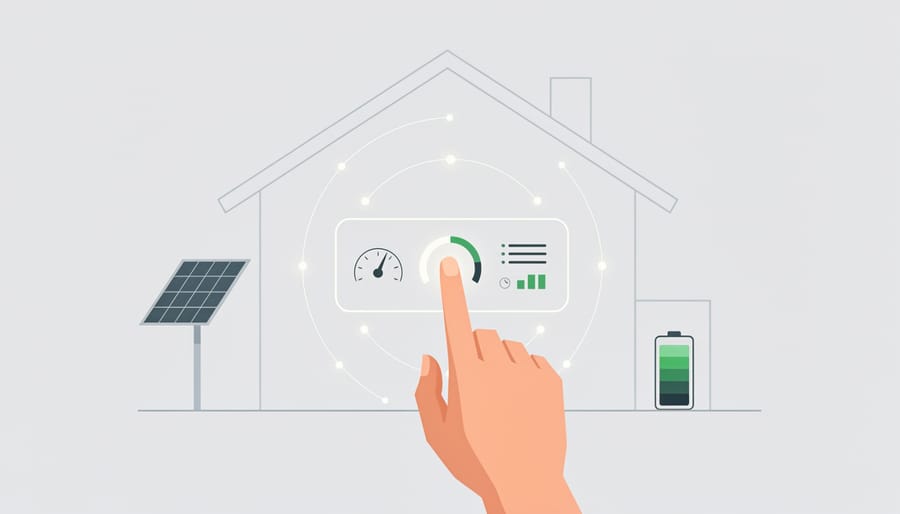
The key is measuring your progress. Install a home energy monitor to see real-time consumption, track your monthly usage, and celebrate the drops. When you can see the impact of each upgrade, the next one becomes easier to justify.
The path to a zero energy home isn’t reserved for those with unlimited budgets or perfectly aligned circumstances. In 2026, it’s a spectrum of possibilities, from comprehensive new builds to thoughtful retrofits to incremental upgrades that compound over time. What matters most isn’t achieving perfection overnight, it’s making informed decisions that align with your reality while pushing toward genuine sustainability.
Every high-performance window, every kilowatt of solar capacity, every upgrade to your insulation moves the needle. These aren’t symbolic gestures. They’re tangible reductions in fossil fuel dependence, measurable decreases in carbon emissions, and concrete steps toward energy independence. Your home might never hit absolute zero energy consumption, but getting to 70% or 80% still represents a dramatic shift from conventional housing.
The collective impact of these individual choices reshapes markets, drives innovation, and accelerates the transition to cleaner energy infrastructure. When you choose authentic sustainable brands and proven technologies, you’re not just improving your own living space, you’re voting with your wallet for a different kind of future.
Start where you are. Maybe that’s a deep energy audit to identify your biggest opportunities. Maybe it’s finally upgrading to a heat pump or adding solar panels. Maybe it’s committing to a zero energy ready build for your next home. Whatever your entry point, take it. Research your options, talk to professionals who understand these systems, and explore the incentives available in your area. The technology works, the economics increasingly make sense, and the planet needs you to begin.