 larry
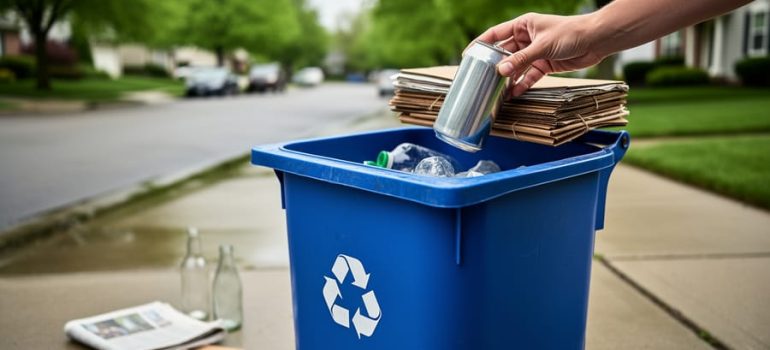
larryRecycling is the process of collecting, processing, and transforming used materials into new products, preventing waste from entering landfills and reducing the need to extract virgin resources from the earth. Your recycling efforts genuinely matter, and the environmental benefits extend far beyond the blue bin at your curb.
Every aluminum can recycled saves enough energy to power a laptop for three hours. Every ton of recycled paper preserves 17 trees and 7,000 gallons of water. These aren’t abstract statistics meant to make you feel virtuous. They represent measurable reductions in greenhouse gas emissions, preserved natural habitats, and cleaner air and water for communities worldwide. When you sort your recyclables, you’re participating in a system that conserves energy, protects ecosystems, and cuts pollution at industrial scales.
The challenge is that most of us recycle without fully understanding how our actions translate into environmental protection. We toss items into the recycling bin hoping they’ll be processed properly, but we rarely see the complete picture of what happens next or why it matters. That disconnect can make recycling feel like an empty gesture, especially when news stories highlight contamination problems or question whether materials actually get recycled.
This article breaks down exactly how recycling protects the environment, from the energy savings achieved during manufacturing to the reduction of toxic mining operations. You’ll discover which materials deliver the biggest environmental returns, how the recycling process actually works, and why your participation remains critical despite imperfections in the system. The goal is simple: give you the knowledge to recycle with confidence and understand the real-world impact of this essential practice in 2026.
What Is Recycling?
Recycling is the process of collecting used materials, like paper, plastic, metal, and glass, and transforming them into new products rather than discarding them as waste. Instead of extracting fresh raw materials from the earth, recycling gives existing materials a second life, reducing the strain on natural resources and cutting down the pollution created during manufacturing.
The concept is straightforward: what would otherwise end up in a landfill gets sorted, cleaned, and reprocessed into something useful again. A plastic bottle becomes part of a fleece jacket. An aluminum can returns as another can. Cardboard boxes break down into new packaging. This circular approach keeps materials in use and out of the waste stream.
Understanding a few key terms helps clarify what happens during this process:
- Recycling
- The process of converting waste materials into new products, preventing the need for virgin raw materials and reducing landfill waste.
- Upcycling
- Transforming waste materials into products of higher quality or value than the original, such as turning old furniture into statement pieces or glass bottles into decorative lighting.
- Downcycling
- Breaking down materials into lower-quality products, which is common with plastics that lose integrity after each recycling cycle.
- Closed-Loop Recycling
- A system where materials are recycled back into the same product repeatedly without quality loss, such as aluminum cans becoming new cans indefinitely.
Why does this matter? Every item you recycle represents resources saved, energy conserved, and pollution prevented. In a world where consumption continues to rise, recycling offers a practical way to reduce your environmental footprint while supporting the shift toward sustainable living. It’s not a perfect solution, but it’s a meaningful step in preserving the planet for future generations.
How Recycling Works: From Bin to New Product
Recycling transforms everyday items you toss into your bin into brand-new products through a surprisingly organized journey. Understanding this process helps you see exactly why your sorting efforts matter and how materials get their second life.
Collection and Transportation
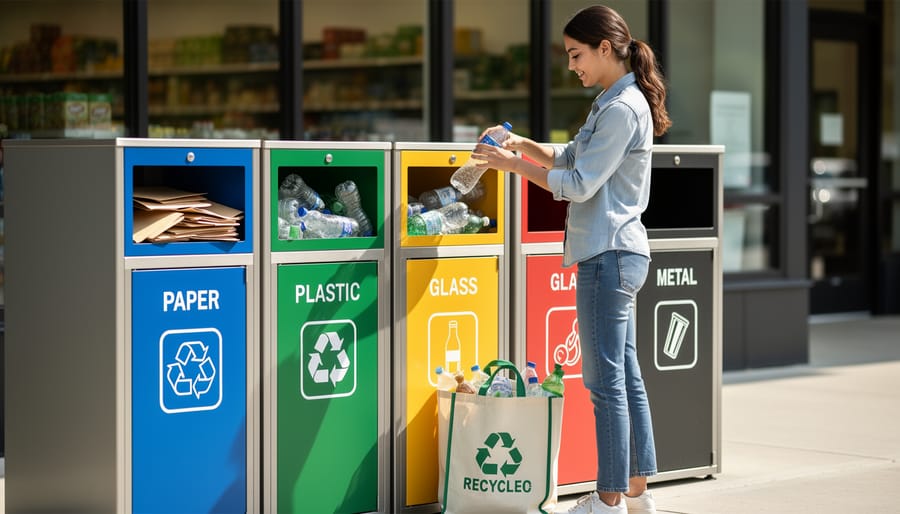
Your recycling journey begins when you place items in your curbside bin or drop them at a recycling center. Collection trucks gather these materials and transport them to a Material Recovery Facility, or MRF (pronounced “murf”). Some communities use single-stream recycling, where you mix all recyclables together, while others require you to separate materials by type. Both methods work, though single-stream makes participation easier for households.
Sorting and Separation
At the MRF, your mixed recyclables meet a combination of machines and human sorters working in tandem. Conveyor belts carry materials past workers who remove obvious contaminants like plastic bags or items that don’t belong. Automated systems then take over: magnets pull out steel cans, eddy currents repel aluminum into separate bins, and optical scanners identify different plastic types by their chemical signatures. Air classifiers use controlled bursts of wind to separate lightweight paper from heavier materials. This multi-stage sorting creates clean streams of individual materials, each ready for its specific recycling pathway.
Processing and Cleaning
Once sorted, materials undergo processing tailored to their type. Paper gets pulped with water and chemicals that break down fibers and remove inks. Plastics are washed, shredded into flakes, then melted and formed into pellets. Glass gets crushed into cullet, small, uniform pieces that melt easily. Metals are cleaned, shredded, and melted in furnaces. These processing steps remove contaminants and prepare materials for manufacturing.
Manufacturing New Products
Processed recyclables become raw materials for manufacturers. Paper pulp forms new cardboard boxes and office paper. Plastic pellets get molded into bottles, containers, or even polyester clothing. Metal ingots become new cans, car parts, or construction materials. Glass cullet melts into fresh bottles and jars. This final transformation completes the cycle, proving that your carefully rinsed peanut butter jar or flattened cereal box genuinely becomes something useful again, reducing the need for virgin materials and the environmental impact that comes with extracting them.
Types of Recyclable Materials and How Each Helps
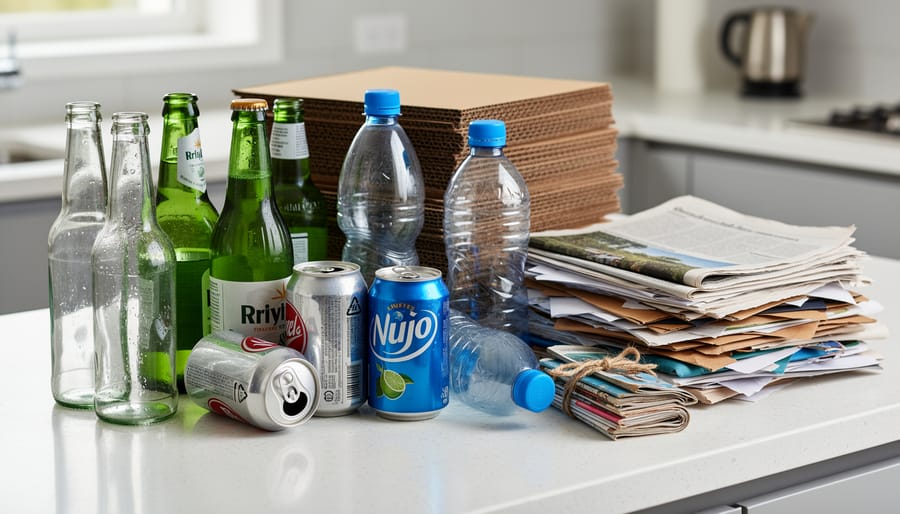
Paper and Cardboard
Recycling paper and cardboard delivers substantial environmental wins that extend far beyond your curbside bin. Every ton of recycled paper saves approximately 17 trees from being cut down, directly protecting forests that serve as crucial carbon sinks and wildlife habitats. These preserved forests continue absorbing CO2 and supporting biodiversity rather than being cleared for pulp production.
The energy savings are equally impressive. Manufacturing paper from recycled materials uses about 40% less energy than creating it from virgin wood pulp. This reduced energy demand translates to fewer fossil fuels burned and lower greenhouse gas emissions. Recycling paper also cuts water consumption by roughly 50% compared to traditional paper production, a significant benefit as freshwater becomes increasingly scarce.
When you recycle that cardboard box or newspaper, you’re keeping material out of landfills where it would decompose and release methane, a potent greenhouse gas. Paper recycling can happen five to seven times before fibers become too short, making each recycled item a multi-use environmental asset.
Plastics
Plastic recycling tackles two of the material’s most serious environmental threats: ocean pollution and fossil fuel consumption. When you recycle plastic, you help prevent it from reaching waterways where it breaks down into harmful microplastics that contaminate marine ecosystems for centuries.
Manufacturing virgin plastic requires petroleum, a non-renewable resource. Recycling plastic uses significantly less energy and petroleum than creating new plastic from scratch. Each ton of recycled PET (the clear plastic in water bottles) saves about two tons of oil equivalent.
Not all plastics recycle equally. Numbers 1 and 2 (PET and HDPE, commonly used for bottles and jugs) have established recycling streams and readily become new products. Numbers 3 through 7 face more challenges. Many facilities accept only 1 and 2, which is why checking your local program matters.
While plastic recycling isn’t perfect, contamination and degradation limit how many times plastic can be recycled, choosing recyclable plastic products and properly recycling them still prevents substantial environmental harm.
Metals
Recycling metals delivers some of the most dramatic environmental wins in the entire recycling landscape. Aluminum stands out as a champion: producing new aluminum from recycled cans uses 95% less energy than extracting it from bauxite ore. That single stat translates to massive reductions in electricity consumption and greenhouse gas emissions.
Steel recycling is equally impressive. Every ton of recycled steel saves 2,500 pounds of iron ore, 1,400 pounds of coal, and 120 pounds of limestone. These aren’t abstract numbers, they represent mountains that don’t get mined, forests that remain intact, and habitats left undisturbed.
Metal’s infinite recyclability makes it special. Unlike plastics that degrade with each cycle, aluminum and steel can be recycled endlessly without losing quality. That can you toss in the bin today could become part of a bicycle, a building beam, or another can decades from now.
The mining industry’s environmental footprint makes metal recycling even more valuable. Extracting virgin metals requires massive land disruption, water pollution, and energy-intensive processing. When you recycle metals, you’re directly reducing demand for destructive mining operations while keeping valuable materials in circulation.
Glass
Glass stands out as one of the most environmentally friendly materials to recycle because it can be recycled endlessly without any loss in quality or purity. Unlike plastics that degrade with each recycling cycle, glass maintains its structural integrity indefinitely, recycled glass is identical to new glass.
Recycling glass reduces energy consumption by about 40% compared to creating glass from raw materials like sand, soda ash, and limestone. It also cuts manufacturing-related air pollution by 20% and water pollution by 50%. Every ton of recycled glass saves approximately 1,300 pounds of sand, 410 pounds of soda ash, and 380 pounds of limestone from being mined.
The environmental benefits extend beyond manufacturing. Glass that ends up in landfills takes over a million years to decompose, occupying valuable space indefinitely. By recycling glass containers and bottles, we prevent this waste while conserving the natural resources required for new glass production. The melting point of recycled glass is also lower than raw materials, which means recycling facilities use less fuel during processing, further reducing the carbon footprint of glass products.
The Environmental Benefits of Recycling
Conserves Natural Resources
Every time you toss a soda can into the recycling bin instead of the trash, you’re helping to preserve the earth’s finite resources. Recycling directly reduces our need to extract raw materials from the planet, materials that took millions of years to form and can’t be replaced once they’re gone.
Consider aluminum. Mining new aluminum requires bauxite ore, which companies extract through processes that strip away forests and topsoil. Recycling one ton of aluminum saves roughly four tons of bauxite ore. The same principle applies across materials: recycled paper means fewer trees cut down, recycled plastic reduces petroleum drilling, and recycled glass conserves sand and limestone deposits.
These aren’t small savings. When manufacturers use recycled materials, they preserve forests, prevent mining operations, and leave resources in the ground for future generations, making your recycling efforts a direct investment in resource conservation.
Reduces Energy Consumption
Recycling slashes the energy needed to create new products compared to starting from scratch with raw materials. Manufacturing aluminum from recycled cans uses 95% less energy than producing it from bauxite ore. That’s a staggering difference, one recycled aluminum can saves enough energy to power a laptop for three hours.
Paper recycling cuts energy use by about 40%, while recycled plastic requires roughly two-thirds less energy than virgin plastic production. Steel recycling saves around 60% of the energy needed for new steel.
Why such dramatic savings? Processing virgin materials demands intensive mining, refining, and transportation. Recycled materials skip most of these steps, they’re already refined and closer to their final form. Less energy means fewer fossil fuels burned at power plants, which directly reduces the carbon emissions driving climate change. Your recycling bin becomes a simple tool for energy conservation.
Decreases Greenhouse Gas Emissions
Every time we recycle instead of throwing materials away, we’re actively cutting carbon emissions. Here’s why: manufacturing products from recycled materials requires significantly less energy than creating them from scratch, and less energy means fewer fossil fuels burned at power plants.
The numbers tell a compelling story. Recycling aluminum cans uses 95% less energy than producing aluminum from bauxite ore. That massive energy reduction translates directly to fewer greenhouse gases released into our atmosphere. Paper recycling cuts emissions by roughly 70% compared to virgin paper production, while recycled plastic manufacturing generates about half the carbon footprint.
There’s another benefit many people overlook: recycling keeps organic waste out of landfills, where it would decompose and release methane, a greenhouse gas 25 times more potent than carbon dioxide. Your recycling bin is quietly working against climate change with every item you toss in.
Minimizes Landfill Waste
When you recycle, you’re directly reducing the volume of waste that ends up in landfills, and that matters more than you might think. Landfills aren’t just unsightly; they’re environmental hazards that create methane, a greenhouse gas 28 times more potent than carbon dioxide. As organic materials decompose without oxygen in landfill conditions, they release this harmful gas into the atmosphere.
Beyond emissions, landfills leak toxic chemicals into surrounding soil and groundwater through a contaminated liquid called leachate. This pollution threatens drinking water sources and damages ecosystems for miles around. By diverting materials like paper, plastics, and metals from landfills through recycling, you’re preventing these contaminants from forming in the first place.
The scale matters too. Americans generate about 292 million tons of waste annually, with roughly half ending up in landfills. Your recycling efforts help slow landfill expansion, preserving land that could otherwise serve communities or remain as natural habitat.
Protects Ecosystems and Wildlife
When we recycle, we directly reduce the demand for extracting virgin materials from the earth, and that matters enormously for wildlife. Mining operations destroy habitats, fragment landscapes, and contaminate water sources with heavy metals and toxic runoff. Logging for paper production clears forests that countless species depend on for shelter and food. By choosing recycled materials instead, we lessen the pressure on these ecosystems.
Consider aluminum recycling: every ton of recycled aluminum eliminates the need to mine bauxite ore, an operation that typically requires clearing tropical forests and displacing wildlife. Similarly, recycling paper reduces logging in old-growth forests where endangered species like owls and bears live. Even plastic recycling helps by keeping waste out of oceans and rivers, where marine animals mistake debris for food or become entangled in discarded items. These aren’t abstract benefits, they translate to healthier, more intact ecosystems where wildlife can thrive.

Common Questions About Recycling and the Environment
Does recycling actually make a difference, or is it just symbolic?
Recycling makes a measurable difference in conserving resources, reducing energy consumption, and cutting greenhouse gas emissions. When you recycle an aluminum can, for instance, you save 95% of the energy needed to produce a new one from raw materials, and collectively these individual actions prevent millions of tons of waste from reaching landfills each year.
What happens if I accidentally contaminate my recycling bin?
Contamination can cause entire batches of recyclables to be rejected and sent to landfills, which is why it’s worth rinsing containers and keeping non-recyclables out. A single greasy pizza box or plastic bag in the wrong bin can compromise a whole truckload, so taking an extra moment to sort correctly amplifies your positive impact.
Doesn’t recycling itself use a lot of energy and resources?
While recycling does require energy for collection, sorting, and processing, it consistently uses far less than manufacturing products from virgin materials. The energy saved from recycling one glass bottle, for example, can power a lightbulb for four hours, and recycling paper uses about 70% less energy than making new paper from trees.
If something is marked recyclable, will it definitely get recycled?
Not always, recycling programs vary widely by location, and some materials marked recyclable might not be accepted in your local system. Check your municipal guidelines rather than relying solely on packaging symbols, and when in doubt, it’s better to trash an item than contaminate your recycling stream.
These questions come up because recycling can feel abstract when you’re just tossing items in a bin, not seeing what happens next. The reality is that your efforts do translate into tangible environmental benefits, but they work best when paired with proper sorting and an understanding of your local system’s capabilities. Contamination remains the biggest obstacle to successful recycling, yet it’s also the most preventable problem, simply knowing what belongs in your bin makes you part of the solution rather than the challenge.
The skepticism about whether recycling truly helps often stems from stories about recyclables ending up in landfills or being shipped overseas. While those problems exist in some systems, they reflect infrastructure and policy gaps rather than a fundamental flaw in recycling itself. When done properly, recycling remains one of the most effective tools we have for reducing environmental harm, and your consistent participation creates the demand that drives improvements in recycling technology and infrastructure.
Types or components
The core components that make recycling effective work together as an interconnected system. Collection infrastructure forms the foundation, encompassing curbside bins, drop-off centers, and specialized collection points that gather materials from homes and businesses. Sorting facilities use both manual labor and automated technology to separate materials by type and quality, removing contaminants that could compromise the recycling process.
Processing equipment then transforms sorted materials into raw feedstock through cleaning, shredding, melting, or pulping, depending on the material type. Manufacturing partnerships complete the cycle by purchasing these processed materials and incorporating them into new products, creating market demand that sustains the entire system.
Public participation serves as the essential human element, when individuals properly sort recyclables and reduce contamination, they directly increase the efficiency and environmental benefit of every other component. Policy frameworks and municipal programs provide the regulatory structure and funding that keep collection and processing operations viable.
These components don’t work in isolation. A breakdown at any stage, contaminated materials at collection, insufficient sorting capacity, or weak manufacturing demand, can undermine the environmental gains recycling delivers.
uses
Recycling serves multiple practical purposes in our everyday lives and communities, each contributing to a healthier planet. At the household level, recycling provides a straightforward way to reduce your environmental footprint through simple daily actions, sorting materials before disposing of them transforms what would be waste into valuable resources.
In communities, recycling programs create local green jobs in collection, sorting, and processing facilities, supporting economic growth while advancing environmental goals. Municipalities use recycling to manage waste more efficiently and reduce the costly burden of landfill expansion.
For businesses, recycling serves as both a sustainability strategy and a cost-saving measure. Companies incorporate recycled materials into manufacturing to lower production costs and appeal to environmentally conscious consumers. This closed-loop approach benefits both profit margins and the planet.
On a broader scale, recycling functions as a practical tool for climate action. By keeping materials in circulation rather than extracting and processing virgin resources, recycling helps reduce the carbon emissions driving global warming, making it an accessible way individuals can contribute to larger environmental solutions.
Your recycling choices ripple outward in ways that matter. Every bottle you toss in the blue bin, every cardboard box you break down, every aluminum can you set aside becomes part of a larger story of resource conservation, energy savings, and habitat protection. These aren’t abstract concepts. They’re real reductions in carbon emissions, genuine preservation of forests and waterways, tangible decreases in pollution that affects communities and wildlife alike.
Recycling sits at the heart of sustainable living because it’s both powerful and accessible. You don’t need specialized equipment or significant financial investment. You need awareness, a little effort, and consistency. The impact compounds with each choice, each day, each item diverted from the landfill.
But recycling works best as part of a broader commitment to responsible consumption. Pair it with reducing unnecessary purchases, choosing products designed for longevity and recyclability, and supporting brands that prioritize environmental stewardship. Your individual actions, multiplied across communities, shift markets and reshape manufacturing priorities.
Start where you are. Check your local recycling guidelines, clean your recyclables properly, and make it a habit. Small, consistent actions create meaningful change. Your contribution counts.