
 larry
larryMitigation is the act of reducing harm, loss, or severity after an event has occurred or is underway. Whether you’re reading an employment contract, navigating a legal dispute, or following climate news, mitigation describes the responsibility to minimize damage through reasonable action. In law, it’s a duty: if someone breaches a contract or commits a tort, the injured party can’t simply sit back and watch losses pile up. Courts expect claimants to take sensible steps to reduce their harm, and failing to do so can bar recovery for losses that could have been prevented. In environmental contexts, mitigation tackles greenhouse gas emissions and strengthens carbon sinks to slow global warming and limit the reach of climate-related disasters.
Understanding mitigation matters because it shapes outcomes in situations where harm has already begun. A laid-off employee has a legal obligation to seek comparable work. A company facing environmental impact must implement measures that protect ecosystems. The concept bridges accountability and action, asking not just who caused the problem, but what can be done right now to keep it from getting worse. This article breaks down how mitigation works across legal and environmental settings, the types you’ll encounter, and practical answers to common questions about your obligations and opportunities.
What Mitigation Means: A Clear Definition
At its core, mitigation means taking deliberate steps to reduce the severity, harm, or damage that might otherwise occur. Whether you’re reading a contract, following a climate policy announcement, or reviewing your workplace rights, the concept centers on lessening negative impacts through proactive measures rather than simply accepting them.
The term surfaces most often in two distinct yet equally important contexts. In legal and civil settings, mitigation refers to a claimant’s responsibility to minimize their losses after someone breaches a contract or commits a wrong against them. If you’re terminated from a job, for example, you’re typically expected to make reasonable efforts to find comparable work rather than sitting idle while damages accumulate. Courts reduce compensation for any portion of loss that stems from a failure to take these reasonable steps.
In environmental and climate contexts, mitigation describes actions that decrease greenhouse gas emissions or enhance natural systems that absorb carbon, thereby slowing global warming and reducing the intensity of climate-related hazards. This might include transitioning to renewable energy, protecting forests, or redesigning industrial processes to cut emissions at the source.
- Mitigation
- The act of reducing the severity, harm, or damage of a situation through deliberate, proactive measures.
- Duty to Mitigate
- The legal obligation to take reasonable steps to minimize one’s own losses following a breach of contract or civil wrong.
- Compensatory Damages
- Money awarded to make up for actual losses suffered, which courts may reduce if the claimant fails to mitigate those losses.
- Greenhouse Gas Emissions
- Gases such as carbon dioxide and methane released into the atmosphere that trap heat and drive climate change.
- Carbon Sinks
- Natural systems like forests, wetlands, and oceans that absorb and store carbon dioxide from the atmosphere.
Understanding what mitigation means empowers you to engage more effectively with sustainability policy, interpret employment contracts, and evaluate brands’ environmental claims. When a company talks about mitigation strategies, or a climate report references mitigation targets, you’ll recognize the core principle: acting now to prevent greater harm later.
How Mitigation Works in Legal and Civil Contexts
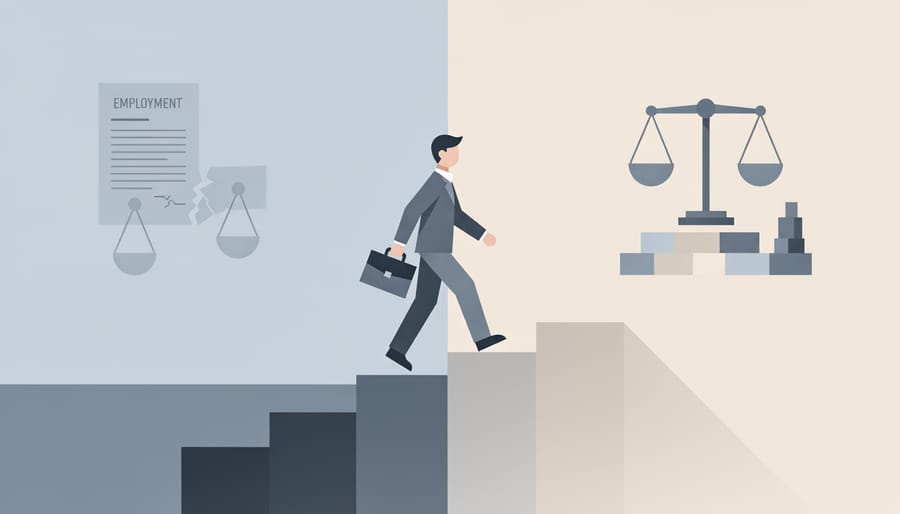
The Duty to Mitigate in Employment Law
When an employee is terminated or laid off, the duty to mitigate kicks in almost immediately. This legal obligation requires the worker to make reasonable efforts to find comparable employment and reduce their financial loss. Courts don’t expect perfection, but they do expect genuine effort.
What counts as “reasonable” depends on the circumstances. A terminated software engineer, for example, should pursue similar roles at comparable pay within their industry and location. They’re not required to accept a significant pay cut or relocate across the country, but they can’t sit idle and expect full damages for the entire notice period either.
The burden falls squarely on the employer to prove a worker didn’t mitigate properly. To succeed, the defendant must demonstrate that available mitigation opportunities existed and that the employee’s acceptance would have actually reduced the loss. This is a high bar. Courts recognize that job searches take time, especially in specialized fields, and they apply mitigation reasonableness standards that account for the realities of the labor market. Simply claiming someone “could have tried harder” rarely succeeds without concrete evidence of rejected offers or abandoned searches.
Recent Case Example: Poulin v. Hydro-Québec (2026)
The June 4, 2026 Quebec Court of Appeal decision in Poulin v. Hydro-Québec offers a clear example of mitigation doctrine at work. The court allowed the appeal, quashed the lower court’s judgment, and ordered Hydro-Québec to pay $836,365 plus interest and additional indemnity. This substantial award underscores a key principle: defendants who claim an employee failed to mitigate must prove that comparable opportunities existed and would have genuinely reduced the damages. The ruling illustrates how seriously courts take mitigation obligations on both sides. For workers navigating termination or layoff, understanding what constitutes reasonable mitigation efforts and knowing that the burden of proof rests with the employer can make a significant difference in protecting your rights and securing fair compensation.
How Mitigation Works in Environmental and Climate Contexts

In environmental and climate contexts, mitigation describes actions that decrease greenhouse gas emissions or enhance carbon sinks to slow global warming and reduce the intensity of climate-related hazards. Unlike legal mitigation, which focuses on limiting damages after harm occurs, climate hazard mitigation is fundamentally preventive. It aims to curb the root causes of climate change before impacts escalate.
This approach plays a central role in climate policy, sustainability planning, and environmental impact assessments worldwide. Governments, agencies, and organizations rely on mitigation strategies to meet emissions reduction targets, guide development projects, and ensure new infrastructure minimizes environmental harm. For example, the Impact Assessment Agency of Canada employs standard mitigation measures to streamline environmental reviews, helping project proponents identify and implement practices that reduce ecological footprints from the outset.
Common environmental mitigation actions include:
- Transitioning to renewable energy sources like solar, wind, and hydroelectric power
- Reforestation and afforestation to absorb atmospheric carbon dioxide
- Improving energy efficiency in buildings, transportation, and industry
- Adopting sustainable agriculture practices that reduce methane and nitrous oxide emissions
- Developing carbon capture and storage technologies to remove emissions at source
These measures span individual choices, corporate commitments, and national policies. For eco-conscious consumers, understanding environmental mitigation clarifies how brands and initiatives contribute to climate goals. Authentic sustainable companies integrate mitigation into their operations through verified emissions reductions, ethical sourcing that preserves ecosystems, and transparent reporting. Recognizing these efforts allows you to support businesses that prioritize meaningful climate action over superficial claims.
Planet Forward champions this understanding because informed consumers drive demand for genuine eco-friendly practices. When you grasp what mitigation means in environmental terms, you can evaluate sustainability pledges critically, advocate for stronger climate policies, and make daily consumption decisions that align with reducing your own carbon footprint and protecting natural carbon sinks.
Different Types of Mitigation (and Where You’ll Encounter Them)
Mitigation shows up in different areas of modern life, and recognizing these distinct categories helps you interpret everything from employment agreements to climate action plans with greater confidence.
Legal and civil mitigation centers on the duty to reduce loss after a contract breach or tort. When someone suffers harm because another party failed to meet their obligations, the injured person cannot simply let damages pile up, they must take reasonable steps to minimize the financial impact. This principle appears in business disputes, property damage claims, and consumer protection cases. Courts expect the harmed party to act responsibly, and any losses that could have been avoided through reasonable effort become unrecoverable.
Employment mitigation is a subset of this legal duty. When an employer terminates someone or lays them off, the affected worker has an obligation to seek comparable employment. This doesn’t mean accepting any job offer, but rather making genuine, documented efforts to find work of similar skill level, responsibility, and compensation. Defendants in wrongful dismissal cases must prove mitigation opportunities existed and would have reduced the damages, a standard that protects workers from unrealistic expectations while encouraging active job searches.
Environmental and climate mitigation takes a broader focus: reducing greenhouse gas emissions or enhancing carbon sinks to slow global warming and lessen climate-related hazards. This category drives policy decisions, corporate sustainability strategies, and international agreements. You encounter this language when brands announce carbon reduction targets, when governments draft climate legislation, or when environmental groups advocate for renewable energy transitions.
Project-specific mitigation appears in environmental impact assessments for development projects. Agencies require developers to identify measures that prevent or reduce ecological harm, protecting wetlands during construction, creating wildlife corridors, or managing runoff. These standardized mitigation protocols streamline regulatory reviews while safeguarding ecosystems, making them a regular feature of infrastructure, housing, and industrial proposals that affect natural environments.
Why Understanding Mitigation Matters for Sustainable Living

Grasping what mitigation truly means, whether in a climate report, an employment contract, or a brand’s sustainability statement, transforms you from a passive observer into an informed participant. When policymakers discuss mitigation targets or carbon-reduction strategies, you’ll recognize the specific, measurable actions behind the language, not just vague promises. That clarity lets you hold governments and corporations accountable, distinguishing genuine emissions cuts from superficial greenwashing.
For eco-conscious shoppers, understanding mitigation unlocks a deeper level of engagement with the brands you support. Authentic, luxury sustainable labels weave mitigation into their operations: they invest in renewable energy to reduce scope-two emissions, source materials ethically to minimize environmental harm, and design products for longevity rather than obsolescence. When a company highlights its mitigation strategy, you can assess whether it’s reducing actual greenhouse gases or merely offsetting elsewhere. Knowledge of mitigation meaning empowers you to ask the right questions and reward brands that prioritize tangible environmental progress.
Mitigation awareness also matters in your own life. Whether you’re using sustainable living apps to track your carbon footprint or negotiating workplace conditions, recognizing the duty to mitigate helps you take proactive, responsible steps. In employment, it means understanding your rights and obligations after a layoff. In daily choices, it means adopting practices that genuinely reduce harm, choosing lower-emission transport, minimizing waste, supporting regenerative agriculture. Informed action, grounded in a clear grasp of mitigation, drives the systemic change we need.
Common Questions About Mitigation
What does mitigation mean?
Mitigation means taking action to reduce the severity, harm, or damage caused by something. In legal contexts, it refers to minimizing financial loss following a breach or wrong; in environmental contexts, it describes steps to decrease greenhouse gas emissions or climate-related hazards.
What is mitigation in law?
In law, mitigation is the duty of someone who has suffered a loss (from a breach of contract or tort) to take reasonable steps to reduce that loss. If you fail to mitigate, you cannot recover damages for the portion of loss that resulted from your own inaction.
What is mitigation in employment law?
In employment law, mitigation is the obligation of a terminated or laid-off employee to make reasonable efforts to find comparable work. The burden is on the employer (defendant) to prove that suitable opportunities existed and would have reduced the employee’s damages.
How do I know if I’ve fulfilled a duty to mitigate?
Courts assess whether your efforts were reasonable given the circumstances, did you actively search for comparable work, apply for suitable positions, and respond to opportunities in a timely manner? The defendant must prove you didn’t, not the other way around. What counts as reasonable depends on your field, experience level, and the job market at the time.
These questions come up often because mitigation applies across so many areas. Whether you’re reviewing an employment contract, reading climate policy, or assessing a brand’s sustainability claims, recognizing mitigation helps you understand who bears responsibility for reducing harm. The concept connects legal rights to environmental action: both demand proactive, good-faith efforts to minimize damage and move forward constructively.
Mitigation, at its core, is about taking responsibility and acting to reduce harm. Whether you’re navigating a wrongful dismissal, evaluating a brand’s climate commitments, or making daily choices that shrink your carbon footprint, the principle remains the same: don’t wait for someone else to fix the damage. In legal settings, mitigation protects your ability to recover fair compensation by showing you’ve made reasonable efforts to minimize loss. In environmental contexts, it translates to cutting emissions, supporting regenerative practices, and choosing brands that back up their sustainability claims with genuine action. Understanding this dual meaning empowers you to advocate for yourself in the workplace and vote with your wallet for a healthier planet. Every informed decision you make, from seeking comparable employment after a layoff to investing in eco-conscious products, contributes to positive change across environmental, social, and economic landscapes. That’s the real power of mitigation: turning awareness into meaningful, proactive steps forward.