 larry
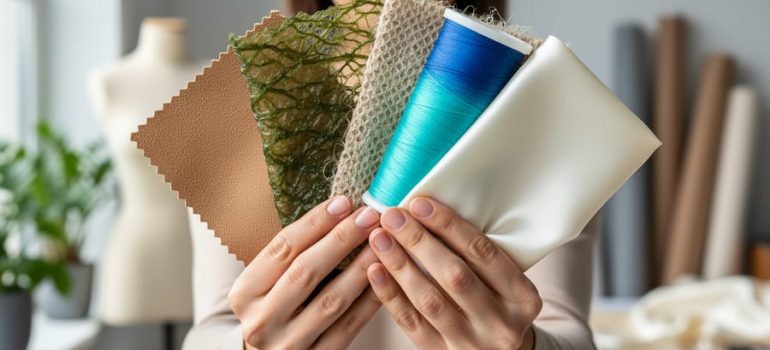
larryThe fashion industry stands at a remarkable crossroads where environmental responsibility meets cutting-edge innovation. Revolutionary textiles are transforming how we think about clothing, moving beyond traditional cotton and polyester to embrace materials that regenerate ecosystems rather than deplete them. These breakthrough fabrics—from mushroom leather to seaweed fibers—aren’t just eco-friendly alternatives; they represent a fundamental reimagining of what our clothes can be and where they come from.
What makes this moment particularly exciting is that innovative textiles are no longer confined to experimental labs or niche boutiques. Forward-thinking brands are bringing these materials into mainstream fashion, proving that sustainability and style aren’t mutually exclusive. You’ll find everything from regenerated ocean plastic woven into elegant activewear to agricultural waste transformed into luxuriously soft fabrics that rival conventional materials in both performance and aesthetics.
The environmental benefits extend far beyond reducing carbon footprints. Many of these next-generation textiles require dramatically less water, eliminate toxic dyes, biodegrade naturally at end-of-life, and even support biodiversity through regenerative sourcing practices. This shift represents more than incremental improvement—it’s a complete rethinking of textile production that honors both people and planet.
Understanding these innovations empowers you to make informed choices that align with your values. Whether you’re curious about specific materials, seeking brands that prioritize these technologies, or simply wanting to support this transformation through your purchasing decisions, the world of innovative textiles offers compelling reasons for optimism about fashion’s future.
Why Traditional Textiles Are Destroying Our Planet
The clothing in our closets carries a hidden story—one that’s intimately connected to our planet’s health. While we’ve all enjoyed the convenience of fast fashion and traditional textiles, it’s worth understanding the environmental footprint these fabrics leave behind.
Consider this: producing a single cotton t-shirt requires approximately 2,700 liters of water—enough for one person to drink for nearly three years. Conventional cotton farming also relies heavily on pesticides and synthetic fertilizers, which seep into surrounding ecosystems and waterways. The textile industry currently consumes 93 billion cubic meters of water annually, contributing to water scarcity in regions already facing environmental stress.
Beyond water consumption, conventional fabric production introduces significant chemical pollution. The dyeing and treatment processes release untreated wastewater containing heavy metals, formaldehyde, and other toxic substances directly into rivers and streams. These chemicals affect not only aquatic life but also communities living downstream from textile factories.
Then there’s the waste challenge. Synthetic fabrics like polyester shed microplastics with every wash, contributing to ocean pollution. Meanwhile, the fashion industry generates 92 million tons of textile waste each year, much of it ending up in landfills where synthetic materials can take hundreds of years to decompose.
Here’s the encouraging news: recognizing these challenges has sparked a wave of innovation in sustainable textiles. Creative thinkers, scientists, and brands are developing breakthrough materials that dramatically reduce environmental impact while maintaining quality and style. This shift represents an exciting opportunity to reshape how we produce and consume clothing, turning the textile industry into a force for environmental restoration rather than degradation.
The Game-Changing Materials Making Sustainable Fashion Possible
Plant-Based Innovations Beyond Cotton
Nature’s bounty extends far beyond cotton fields, offering remarkable alternatives that are revolutionizing sustainable fashion. These plant-based innovations demonstrate that luxury, durability, and environmental responsibility can beautifully coexist.
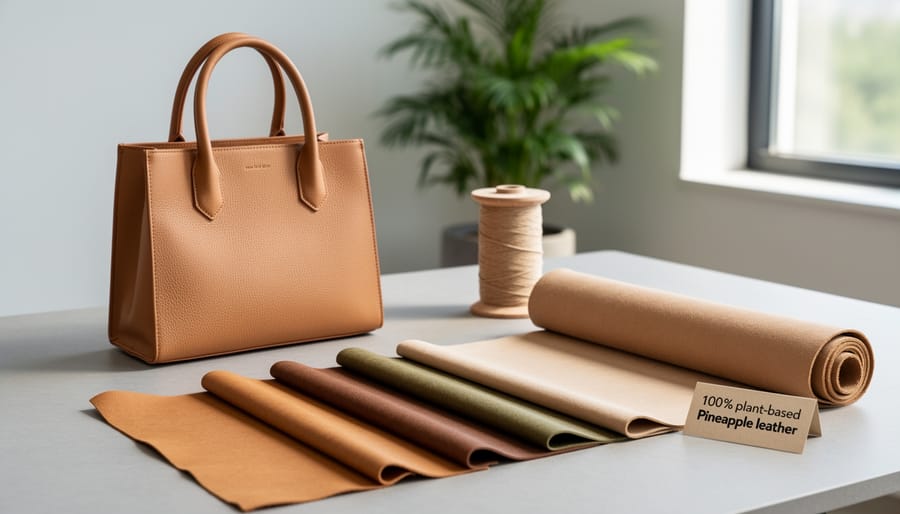
Piñatex has emerged as a game-changing material derived from pineapple leaf fibers, a byproduct of existing harvests. This leather alternative requires no additional land, water, or pesticides, transforming agricultural waste into versatile fabric. The material feels supple yet strong, making it ideal for everything from handbags to shoes. Hugo Boss and H&M have incorporated Piñatex into their collections, proving that sustainable materials can meet high fashion standards while supporting farming communities in the Philippines and beyond.
Mushroom leather, or mycelium-based fabric, represents another fascinating breakthrough. Grown from fungal root structures in just weeks, this material mimics traditional leather’s texture and flexibility without animal agriculture’s environmental footprint. Brands like Stella McCartney and Hermès are experimenting with mycelium leather, creating pieces that challenge our perception of what sustainable luxury can achieve. The growing process requires minimal resources and produces virtually no waste.
Hemp deserves renewed attention as one of the most sustainable fibers available. This resilient plant grows rapidly without pesticides, enriches soil health, and requires significantly less water than cotton. Modern processing techniques have transformed hemp from rough fabric into soft, breathable textiles suitable for everyday wear. Patagonia and prAna have championed hemp blends, offering comfortable clothing that gets softer with each wash.
Algae-based textiles push innovation further, with companies developing fabrics from fast-growing aquatic plants. These materials can be biodegradable and carbon-negative, actively improving our environment during production.
Each of these innovations proves that moving beyond conventional materials doesn’t mean compromising on quality or style. By supporting brands embracing these alternatives, you’re investing in a fashion industry that works harmoniously with nature rather than against it.
Lab-Grown and Bioengineered Fabrics
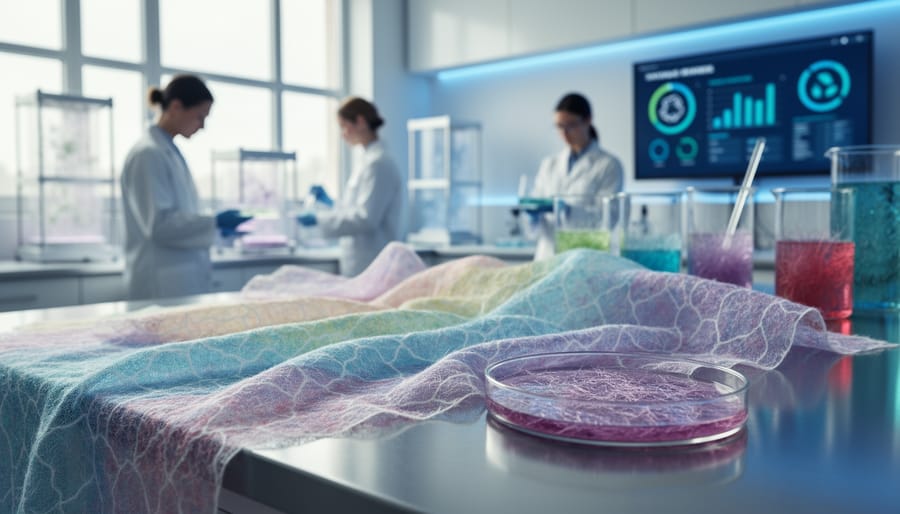
Science fiction is becoming science fact in the textile world, and the results are nothing short of remarkable. Imagine wearing a leather jacket that never required an animal, or a dress made from proteins identical to spider silk—one of nature’s strongest materials. These aren’t far-off dreams; they’re available today thanks to biotechnology innovations that are transforming how we think about fabric production.
Lab-grown leather represents one of the most exciting developments in this space. Companies like Modern Meadow and VitroLabs are cultivating real leather from cells in bioreactors, creating material that’s molecularly identical to traditional leather without the environmental toll of livestock farming. The process uses significantly less water, produces fewer greenhouse gases, and eliminates the ethical concerns that many consumers grapple with when purchasing animal-derived products.
Spider silk proteins present another fascinating frontier. Brands such as Bolt Threads have cracked the code on producing spider silk through fermentation, using yeast and sugar to create proteins that form incredibly strong, lightweight, and biodegradable fibers. Stella McCartney has already partnered with these innovators to bring lab-grown spider silk garments to fashion-forward consumers who refuse to compromise on either style or sustainability.
Bacterial cellulose offers yet another promising avenue. This material, grown from microorganisms fed on agricultural waste, creates a leather-like textile with remarkable properties. Brands like Nanollose are pioneering this technology, proving that waste streams can become valuable resources.
What makes these innovations particularly encouraging is their scalability potential. As production methods improve and costs decrease, lab-grown and bioengineered fabrics are positioned to move from specialty items to mainstream choices, making sustainable fashion accessible to everyone.
Recycled and Upcycled Textile Breakthroughs
The fashion industry is experiencing a remarkable transformation as innovative recycling technologies turn what was once considered waste into beautiful, functional textiles. These breakthroughs represent more than just technical achievements—they’re creating a pathway toward a truly circular fashion economy where materials never become trash.
Ocean plastic, one of our most pressing environmental challenges, is finding new life as fabric. Companies are now collecting plastic bottles and fishing nets from our oceans and waterways, processing them through advanced filtration and breakdown systems, and transforming them into high-quality polyester fibers. These ocean-rescued materials are appearing in everything from swimwear to activewear to everyday clothing, proving that sustainable choices don’t require compromising on performance or style. Brands like Patagonia and Adidas have embraced ocean plastic textiles, creating products that help clean our waters while meeting the durability standards active lifestyles demand.
Equally exciting are regenerated fibers created from textile waste itself. Through chemical and mechanical recycling processes, old cotton garments, fabric scraps from manufacturing, and even blended materials that traditionally couldn’t be recycled are being broken down to their core components and respun into new, premium fibers. This technology addresses a critical gap in fashion sustainability—what happens to clothes at the end of their life.
Closed-loop systems take this concept even further by designing textiles specifically to be recycled back into themselves indefinitely. These systems ensure that a garment’s fibers can be recovered, regenerated, and transformed into new fabric without quality degradation. Companies like Eileen Fisher have pioneered take-back programs that channel returned garments directly into regeneration facilities, keeping materials in constant circulation.
These innovations prove that waste is simply a design flaw waiting to be solved, offering us all the opportunity to participate in fashion’s sustainable future.
Brands Leading the Sustainable Textile Revolution
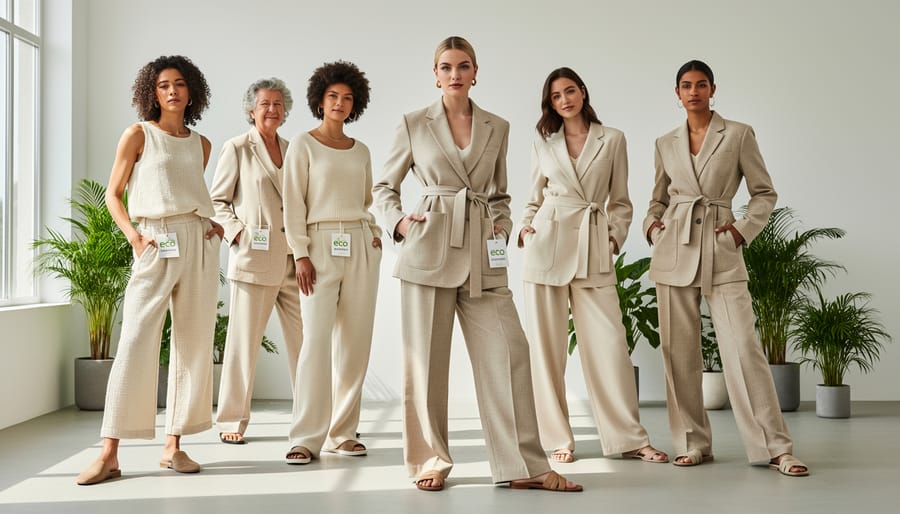
The sustainable textile revolution isn’t just happening in research labs—it’s making its way onto runways and into our closets, thanks to forward-thinking brands that are proving luxury and sustainability can beautifully coexist. These pioneering companies are transforming the fashion landscape by embracing innovative materials and ethical practices without compromising on quality or style.
Stella McCartney has long been a trailblazer in this space, consistently pushing boundaries with her unwavering commitment to cruelty-free fashion. Her collections showcase cutting-edge materials like Mylo, a mushroom-based leather alternative, and regenerated cashmere that gives new life to existing fibers. What makes her approach particularly inspiring is how she demonstrates that sustainable choices can be equally as elegant and desirable as conventional luxury goods.
Patagonia continues to set the standard for outdoor apparel by investing heavily in recycled materials and innovative fabric technologies. Their NetPlus collection transforms discarded fishing nets into high-performance clothing, tackling ocean pollution while creating durable, functional pieces. The brand’s transparency about their supply chain and commitment to repairing rather than replacing products shows that sustainability extends beyond material choices.
Eileen Fisher has embraced circular fashion with remarkable dedication, using organic fibers, recycled materials, and implementing take-back programs that give garments new life. Their investment in organic linen and Tencel fabrics demonstrates how natural, renewable resources can create timeless, sophisticated pieces that age beautifully.
Reformation has captured the attention of younger consumers by making sustainability stylish and accessible. They’re transparent about their environmental footprint, sharing detailed information about each garment’s impact. Their use of deadstock fabrics and sustainable viscose shows that eco-conscious choices can align perfectly with contemporary fashion trends.
These brands understand something fundamental: today’s consumers want to feel good about their purchases without sacrificing quality or aesthetics. By investing in innovative textiles and maintaining rigorous standards, they’re reshaping consumer expectations and proving that sustainable fashion deserves a place in every wardrobe. Their success stories offer hope and direction for the entire industry, showing that when creativity meets commitment, the results can be both beautiful and beneficial for our planet.
What Makes a Textile Truly Sustainable
Understanding what makes a textile genuinely sustainable can feel overwhelming, but breaking it down into key criteria makes the journey much clearer. At its heart, a truly sustainable fabric considers its entire story—from the raw materials gathered to the moment it returns to the earth.
Biodegradability stands as one of the most crucial factors. Natural fibers like organic cotton, hemp, and innovative materials derived from mushrooms or seaweed can decompose without leaving harmful residues. This matters tremendously when you consider that synthetic textiles can persist in landfills for hundreds of years, releasing microplastics into our ecosystems along the way.
The production process reveals another essential layer of sustainability. Genuinely eco-friendly textiles minimize water consumption, avoid toxic dyes and chemicals, and reduce carbon emissions during manufacturing. Some pioneering brands now use closed-loop systems that recycle water and capture waste, transforming what was once a resource-intensive industry into something remarkably regenerative.
When shopping for sustainable textiles, certain certifications serve as your compass. Look for Global Organic Textile Standard (GOTS), which ensures organic fiber content and ethical production. OEKO-TEX certification guarantees fabrics are free from harmful substances, while Cradle to Cradle certification evaluates products across multiple sustainability categories. The Bluesign system focuses on responsible manufacturing throughout the entire supply chain. These aren’t just badges—they represent rigorous third-party verification that holds brands accountable.
Lifecycle impact completes the sustainability picture. This considers everything from how much energy went into growing raw materials, through manufacturing and transportation, to how long the product lasts and what happens when it’s no longer needed. The most sustainable textile is often the one you already own and care for properly, but when purchasing new items, choosing durable, timeless pieces from transparent brands creates positive ripples throughout the industry.
By understanding these criteria, you’re equipped to celebrate the brands genuinely committed to change while making choices that align with your values. Every mindful purchase becomes a vote for the future you want to see.
How You Can Support This Textile Transformation
The journey toward sustainable textiles begins with each conscious choice you make. Supporting this textile transformation doesn’t require perfection—it starts with small, meaningful steps that collectively create remarkable change.
When shopping for clothing and home textiles, look beyond marketing buzzwords and seek brands that transparently share their sourcing practices. Many innovative companies now proudly display their use of materials like mushroom leather, recycled ocean plastics, or regenerative cotton. Check product labels and brand websites for specific information about fabric composition and certifications. Brands truly committed to sustainability will openly share their supply chain stories rather than hide behind vague claims.
Caring for your sustainable textiles properly extends their lifespan and maximizes your environmental investment. Wash items in cold water using eco-friendly detergents, as this preserves innovative fabric structures while reducing energy consumption. Air-dry whenever possible, especially for pieces made from delicate bio-based materials. Simple repairs like mending small tears or replacing buttons can add years to a garment’s life, keeping textiles out of landfills and reducing demand for new production.
Support goes beyond purchasing decisions. Share your discoveries with friends and family who might be curious about sustainable options. Your genuine enthusiasm can inspire others to explore innovative textiles without feeling pressured or judged. Follow and engage with brands pioneering these materials on social media—your support helps amplify their message and encourages other companies to follow suit.
Remember, transitioning to sustainable textiles is a journey, not a destination. Each time you choose a garment made from innovative materials or properly care for what you already own, you’re voting for a more sustainable future. These collective actions send a powerful message to the fashion and textile industries that consumers value environmental responsibility alongside quality and style.
The future of fashion is being woven right now, and you’re already part of it. Every time you choose a garment made from innovative sustainable textiles, you’re casting a vote for cleaner oceans, healthier ecosystems, and a more thoughtful approach to what we wear. These breakthrough materials aren’t just laboratory experiments or distant possibilities—they’re hanging in stores, available online, and increasingly accessible to anyone who wants to make a difference.
What makes this moment particularly exciting is that sustainable fashion no longer requires sacrifice. Today’s eco-friendly fabrics rival conventional materials in quality, comfort, and style, while brands leading this movement are proving that environmental responsibility and beautiful design go hand in hand. Whether you start by exploring one new material, supporting a pioneering brand, or simply spreading awareness about these innovations, your choices matter more than you might think.
The textile revolution is here, and it’s inviting all of us to participate. By embracing these materials, you’re not just updating your wardrobe—you’re helping shape an industry where sustainability is the standard, not the exception.